


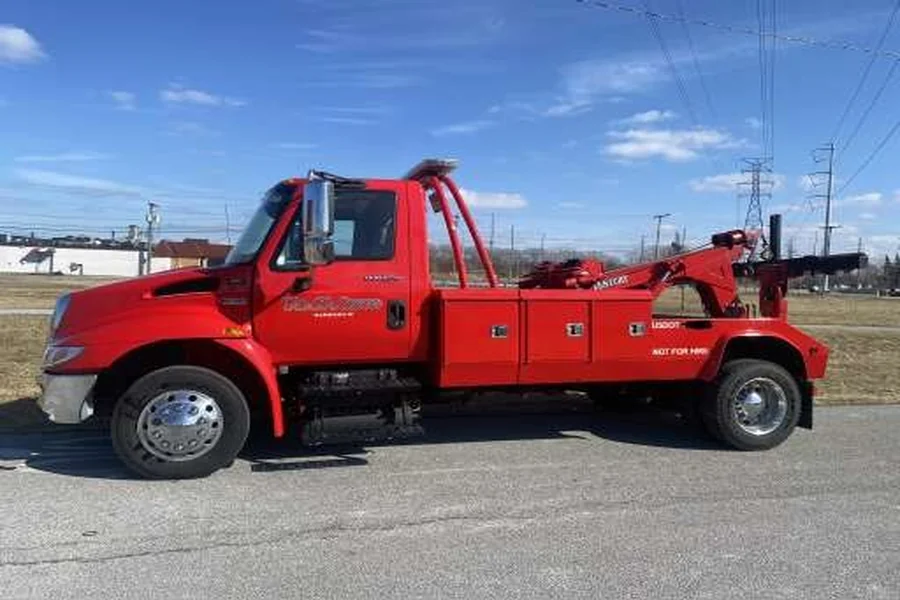
If you’re in need of towing equipment, a medium-duty wrecker truck can undeniably be one of the most useful additions to your fleet. It gives much more capability than a standard light-duty tow truck, but it doesn’t require the same operating costs and specialized setup as a heavy-duty recovery unit. Often used to tow utility trucks, delivery vehicles, box trucks, vans, small buses, and other vehicles that cannot be towed by light-duty equipment, these are definitely an important part of a fleet. They fill an important gap in day-to-day operations for most towing companies.
In case you’re just starting a towing company, you may need some tips about how to do that and grow it, and you can find some at https://www.indeed.com/hire/c/info/start-a-tow-truck-business. Whether you are new to the industry, or you’re looking for some upgrades, there is no doubt that a medium duty wrecker truck could be a great addition. So, it is no wonder that you are thinking of buying one.
The only thing is, this is a major investment. The right truck can become a dependable revenue-producing asset for years and years. On the other hand, the wrong one can cause some problems with downtime, capacity, maintenance costs, and even safety. Before you buy, therefore, you have to take time to learn how to do it right, so that you can be sure that you are getting the best addition to your fleet.
What we are going to do right now, thus, is share some tips on how you can do this. Below you will learn about the things you should take into account and steps you should take in order to make the best buying decision. You will learn what separates a great truck from one that looks good only on paper. And that is sure to help you buy the best one for you. Without any ado, let’s get started.
Think About the Type of Work You Want to Handle
Not all trucks will be suitable for all businesses. In short, what will be best for your business will depend on the jobs you need to perform. Before you start comparing models, you should think about the vehicles you are currently towing. If, for instance, you are regularly receiving calls involving service vehicles, delivery trucks, work vans, and similar, then a medium duty wrecker could be the right move for you.
The idea here is for you to buy exactly what you need, not more, not less. If you buy more than your operations can realistically use, you will have wasted money. If you limit yourself, you will have wasted opportunities, and, again, money. So, you need an option that supports the work you have now, while at the same time giving you room to grow. Read more about tow trucks in general.
Understand Towing Capacity and Ratings
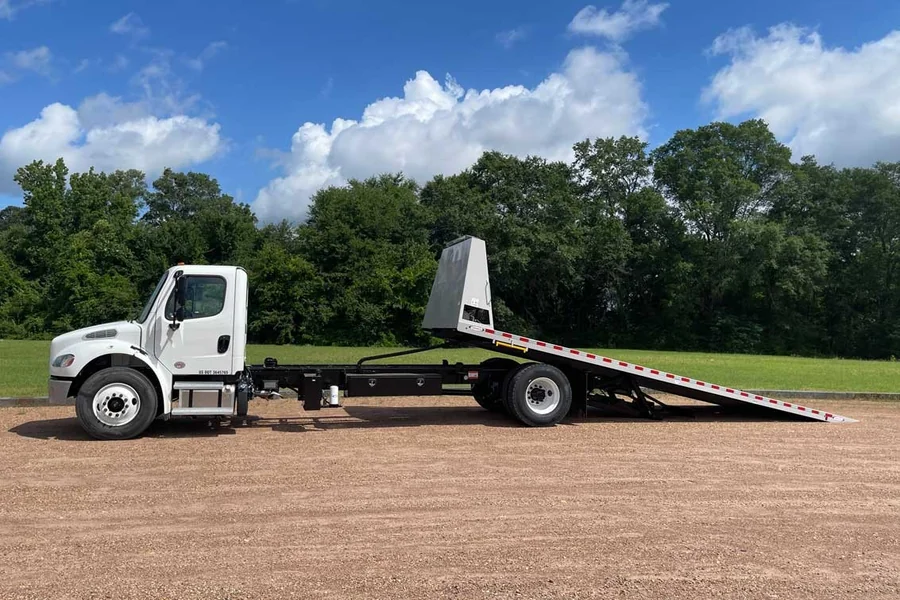
It is clear by now that you have to match the wrecker’s capabilities to the work you intend to do. But this means looking beyond the size. You also have to check the ratings of the winches, recovery boom, wheel lift or underlift, and the chassis. A truck could look large and powerful, but still be very limited.
You should, therefore, always ask the seller to explain the ratings clearly. You have to understand the lifting and towing capacities, winch strength, as well as the types of vehicles that it is intended to handle. This way, you will have a much better idea about which trucks could be right for your operations and which ones simply may not be a good fit.
Decide Between New and Used
Here is another important decision that you will have to make. In short, you will have to think about whether you want to go for a new or a used option. New medium duty wreckers often offer the latest features, and some other benefits, such as manufacturer support. On the other hand, a great quality used truck can be a great option, especially if your budget is limited.
If you’re buying used, make sure to ask for maintenance records, accident history, service documentation, and all the details about previous use. And, of course, thoroughly inspect the condition. Whether you are buying new or used, the bottom line is that you want to get a great medium duty wrecker truck that will be in amazing condition and offer all the features you need for your operations. If you’re not sure what is suitable for you, getting help from experts, or even having an independent inspection done by a third party, is often the best move.
Think About the Costs
When I say that you should think about the costs, it is the purchase price that will probably come to mind. Yet, it is only one part of the investment. Additionally, you have to think about the operating costs as well, such as fuel, tires, repairs, maintenance, licensing, and more. Compare all the costs, while keeping everything else in mind as well, so as to make the best choice.
