


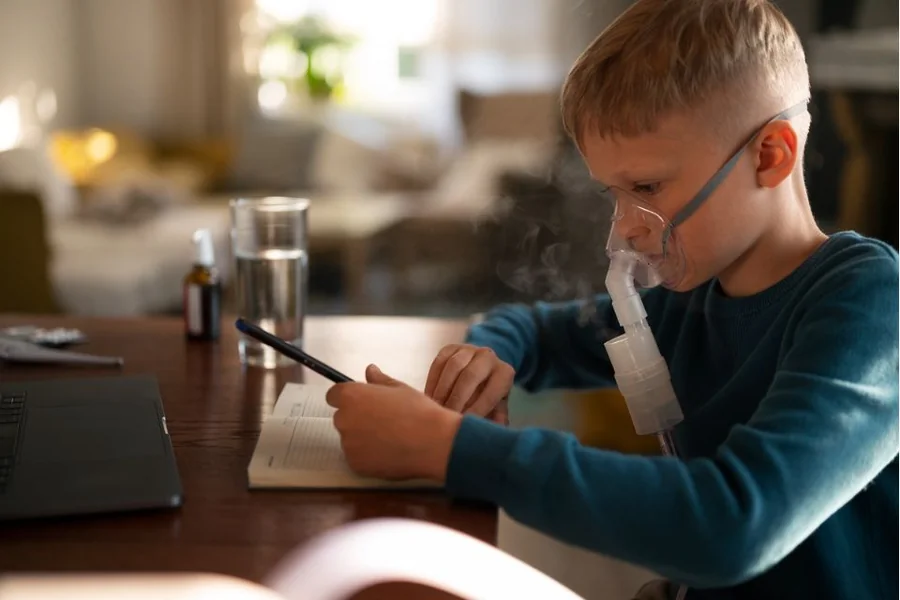
Teenagers addicted to nicotine is a health issue, not a problem of behavior. Schools that treat it like the latter often cause students to move away from the help they need. The figures show how serious it has been. More than 2.1 million U.S. students in middle and high school presented current use of tobacco products, and about 10% of high school students reported using e-cigarettes (CDC National Youth Tobacco Survey, 2023). Real students are hiding behind those statistics whose developing brains build dependencies faster than those of adults – and often do not have the slightest idea of how to stop. Schools can help change that.
Shift From Punishment To A Health-Centered Response
The default reaction to catching a student with a vape device has traditionally been suspension or expulsion. That approach doesn’t work. It removes the student from the structured environment where support could be offered, and it does nothing to address the dependence that drove the behavior in the first place.
A health-centered model treats nicotine addiction the way we’d treat any other condition that affects learning: with screening, support, and referral. That doesn’t mean there are no consequences. It means the consequences are designed to help the student stop using nicotine rather than simply punishing them for using it. Restorative practices – where students understand the impact of their choices and work toward change – consistently produce better long-term outcomes than zero-tolerance policies.
Train School Nurses and Counselors To Screen and Support
School nurses and counselors are often the first adults a student will talk to honestly. They’re not authority figures in the same way that administrators are, and that matters when a teenager is trying to admit they’re struggling.
Training these key staff members to conduct brief, non-judgmental nicotine screenings opens the door to early intervention. The goal isn’t interrogation – it’s simply asking the right questions in a way that lets a student say, “Yeah, I’ve been vaping and I want to stop.” From there, school staff can connect students to cessation tools specifically built for their age group.
The ‘This Is Quitting’ program from Truth Initiative is one such resource. It’s a text-message based cessation program made for teens, and students can enroll by texting a short code to get daily, supportive messages, tips, and encouragement through their quitting process. It’s free, private, and works on any phone – obstacles that may be in the way for adults aren’t a problem here. School staff don’t need to manage the cessation process themselves; they just need to make the connection.
Establish Clear Tobacco-Free Policies – and Use Technology To Back Them Up
Rules without consequences are meaningless. A tobacco-free campus policy holds weight when everyone within the school community, including students, parents, and staff, knows the boundaries of the rule. This includes explicitly stating that the ban extends to e-cigarettes. These are still omitted from some schools’ outdated policies, which only state they are “tobacco” free.
An effective approach when your school works to promote smoke-free environments involves combining a clearly written policy with tangible supports enabling staff to intervene early on. For example, vape detection sensors in bathrooms or end-of-hallway blind spots can notify staff as to where and when the devices are being used. The point isn’t to surveil kids – it’s to identify where intervention is needed before casual experimentation turns into full dependence. Instead of harsh penalties or punishment, the counselor’s office should be notified. That kind of early-identification infrastructure treats detection as a wellness tool, not a surveillance system.
Embed Prevention Into The Curriculum Before Students Start
The optimal moment to discuss the issue of vaping is right before a student considers trying it. Programs such as CATCH My Breath, designed based on evidence and built for classroom use, provide students with accurate information on the actual sensation of being dependent on nicotine – being easily upset, anxious, suffering from urgent desires that affect one’s focus and sleep. It doesn’t provide a generalized “drugs are not good for you” message students have long stopped listening to.
When taught refusal skills in health education and given the actual risks they take, students make a different social decision, based on awareness. Vaping is no longer tempting when you know for a fact that you will have trouble focusing in class due to withdrawal symptoms.
Address The Mental Health Connection
A student who vapes to manage anxiety isn’t just addicted to nicotine. They’ve found a coping mechanism – a broken one, but a coping mechanism nonetheless. Quitting without addressing that underlying stress, anxiety, or depression often fails.
Schools that connect nicotine cessation support with broader behavioral health resources see better outcomes. That might mean coordinating with a school counselor who can work on stress management alongside the quit attempt. It almost certainly means involving families, since what happens at home either reinforces or undermines everything the school is trying to do.
Parental notification handled well – without shame or alarm – brings caregivers into the process as allies. Most parents want to help. They just need guidance on how.
Student wellness isn’t a single program or a single policy. It’s the sum of how a school responds when a student is struggling – and nicotine addiction is one more place where a health-first approach will always outperform a punitive one.
