


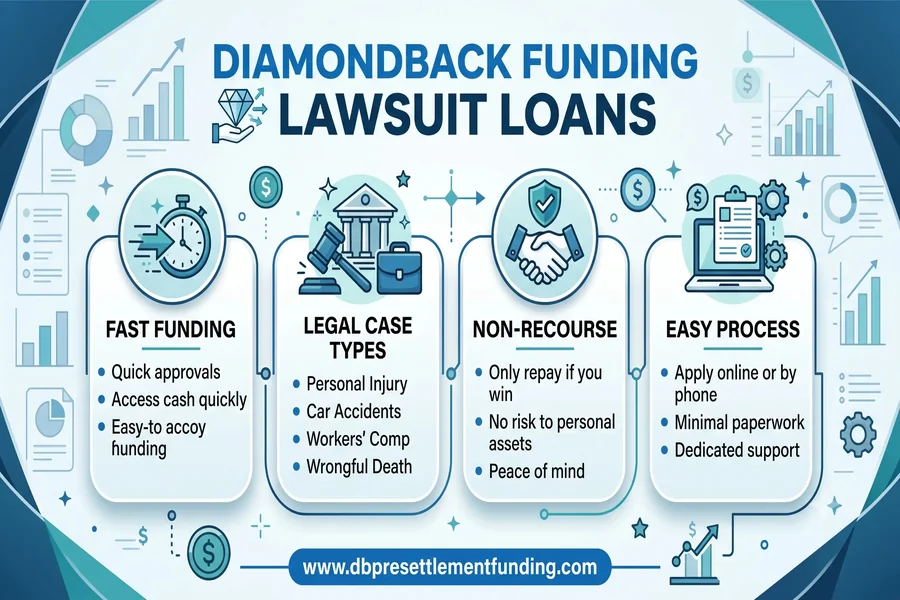
Waiting for a legal settlement can be financially challenging, especially when medical bills, rent, or everyday expenses continue to pile up. Many plaintiffs explore diamondback funding lawsuit loans or similar funding solutions to bridge the gap until their case is resolved. While lawsuit funding can provide much-needed financial relief, choosing the right provider requires careful consideration. Asking the right questions before signing an agreement can help you avoid unnecessary costs and ensure you work with a reputable company.
What Is a Lawsuit Funding Company?
A lawsuit funding company provides cash advances to plaintiffs who are waiting for a legal settlement or court judgment. Unlike traditional loans, repayment is generally contingent upon the outcome of the case. If the case is unsuccessful, many funding arrangements do not require repayment, making them different from conventional lending products.
However, terms, fees, and eligibility requirements vary significantly among providers. This makes it essential to compare your options before making a decision.
1. What Are the Total Costs and Fees?
Before accepting any funding offer, ask for a complete breakdown of all costs. These may include:
- Funding fees
- Administrative charges
- Processing fees
- Interest or funding rates
A trustworthy provider should clearly explain how much you’ll owe if your case settles after several months or even years. Transparency is a good indicator of a reliable company.
2. Is the Funding Non-Recourse?
One of the most important questions involves the nature of the funding agreement.
Why Non-Recourse Matters
In many lawsuit funding arrangements, repayment is required only if you win or settle your case. This is commonly referred to as non-recourse funding. Understanding whether your agreement follows this structure can protect you from unexpected financial obligations.
Always request written confirmation of the repayment terms.
3. How Long Does the Approval Process Take?
Financial emergencies often require quick access to cash.
Ask the provider:
- How long does application review take?
- When are funds typically disbursed?
- What documents are required?
Many companies can process applications within a few days, while others may take longer depending on case complexity.
4. Are There Any Hidden Charges?
Some agreements contain fees that are not immediately obvious.
Look carefully for:
- Early repayment penalties
- Compounding funding charges
- Additional administrative costs
- Annual percentage calculations
Reading the agreement thoroughly can help you avoid unpleasant surprises later.
5. Does the Company Have Experience with Your Type of Case?
Not every lawsuit funding company handles every legal matter.
Some providers specialize in:
Personal Injury Cases
Funding for accident victims waiting for insurance settlements.
Medical Malpractice Claims
Financial assistance during lengthy medical negligence lawsuits.
Employment or Wrongful Termination Cases
Support for plaintiffs facing lost income during litigation.
Choosing a company familiar with your specific case type often leads to a smoother funding experience.
6. How Does the Company Communicate with Attorneys?
Most lawsuit funding companies work directly with your attorney to evaluate the strength of your claim.
Ask:
- Will they contact your lawyer directly?
- What information is required?
- Will the process delay your legal case?
Clear communication between all parties generally speeds up the approval process while reducing misunderstandings.
7. What Do Customer Reviews and Reputation Say?
Before making a final decision, research the company’s reputation.
Helpful sources include:
- Independent review platforms
- Consumer testimonials
- Legal industry discussions
- Business accreditation records
Consistent positive feedback, transparent practices, and responsive customer support are all signs of a reputable funding provider.
Additional Tips Before Signing Any Agreement
Beyond asking the seven questions above, consider these best practices:
- Compare offers from multiple funding companies.
- Read every page of the agreement carefully.
- Ask questions about anything you don’t understand.
- Borrow only the amount you genuinely need.
- Consult your attorney before accepting any funding offer.
Taking these precautions can help protect your financial interests while your legal case progresses.
Conclusion
Choosing a lawsuit funding company is an important financial decision that deserves careful evaluation. By asking about costs, repayment terms, approval timelines, company experience, communication practices, and customer reputation, you can make a more informed choice. Whether you’re considering diamondback funding lawsuit loans or evaluating other lawsuit funding providers, understanding the details of the agreement is essential. A little research today can help you avoid unnecessary expenses and provide greater financial confidence while awaiting the outcome of your case.
