


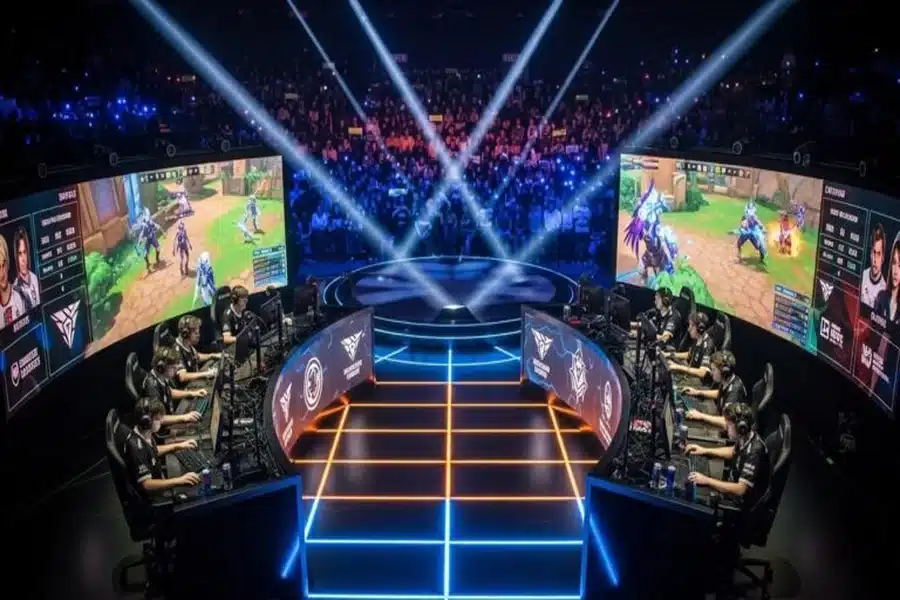
Online slot depo 1000 has transformed from a simple form of entertainment into a dynamic global culture. It’s no longer just about playing games—it’s about identity, creativity, competition, and connection. Millions of players log in daily not only to win matches but to express themselves, build communities, and explore immersive digital worlds that feel as real as the physical one.
The Evolution of Player Experience
In the early days, gaming was limited by technology and connectivity. Today, the experience is richer, faster, and more engaging than ever before. Players are no longer passive participants; they actively shape the environments they play in.
Modern games offer:
- Real-time updates and evolving storylines
- Personalized characters and customization
- Interactive environments with realistic physics
- Live events that mirror real-world experiences
This shift has turned online gaming into an ongoing journey rather than a one-time activity.
Virtual Worlds That Feel Real
Online games now create expansive universes where players can live out alternate realities. Whether exploring fantasy lands, futuristic cities, or realistic battlefields, these virtual environments are designed to feel immersive and alive.
Games like Fortnite and Minecraft showcase how creativity and gameplay can blend seamlessly. Players can build structures, create stories, and even host in-game events that attract global audiences.
These virtual worlds offer:
- Freedom of creativity
- Endless exploration
- Unique player-driven experiences
The line between gaming and digital living is becoming increasingly blurred.
The Psychology Behind Gaming
Online gaming is deeply engaging because it taps into human psychology. It provides a sense of achievement, progression, and reward that keeps players motivated.
Key psychological elements include:
- Progression systems that reward consistent effort
- Competition that fuels improvement and excitement
- Social validation through rankings and recognition
- Escapism from everyday stress
These factors make gaming not just enjoyable but emotionally compelling.
Gaming Communities and Identity
One of the most powerful aspects of online gaming is the formation of communities. Players often identify strongly with the games they play, the teams they join, and the roles they take on.
Communities are built through:
- Guilds, clans, and teams
- Online forums and social media groups
- In-game communication systems
- Shared goals and achievements
These communities provide a sense of belonging and identity, especially for players who may not find it elsewhere.
The Influence of Game Design
Game developers play a crucial role in shaping the online gaming experience. Every aspect—from graphics to mechanics—is carefully designed to keep players engaged.
Modern game design focuses on:
- User-friendly interfaces
- Balanced gameplay mechanics
- Reward systems that encourage long-term play
- Regular content updates
Developers also listen to player feedback, making games more interactive and community-driven.
Online Gaming and Creativity
Gaming is not just about following rules—it’s also about breaking them creatively. Many online games allow players to design their own content, from custom maps to entire game modes.
Platforms like Roblox empower users to create and share their own games. This has opened doors for aspiring developers, designers, and storytellers.
Creative opportunities include:
- Building virtual environments
- Designing characters and skins
- Creating custom challenges
- Producing game-related content
This creative freedom has turned gaming into a platform for innovation.
The Business of Online Gaming
Online gaming is a multi-billion-dollar industry that continues to grow rapidly. Companies invest heavily in development, marketing, and community engagement to stay competitive.
Revenue is generated through:
- Game purchases and subscriptions
- In-game items and upgrades
- Advertising and sponsorships
- Esports events and broadcasting
The success of games like Call of Duty shows how strong branding and consistent updates can keep players engaged for years.
Accessibility and Inclusivity
One of the biggest strengths of online gaming is its accessibility. Players from different backgrounds, age groups, and skill levels can participate and enjoy the experience.
Efforts to improve inclusivity include:
- Cross-platform compatibility
- Adjustable difficulty levels
- Accessibility features for players with disabilities
- Diverse character representation
These initiatives ensure that gaming remains open and welcoming to everyone.
Risks and Responsible Gaming
Despite its many benefits, online gaming comes with certain risks that players should be aware of.
Time Management
Spending too much time gaming can affect productivity and health. Setting boundaries helps maintain a healthy balance.
Online Behavior
Toxicity and negative interactions can impact the gaming experience. Respectful communication is key to building positive communities.
Data Privacy
Players should be cautious about sharing personal information and use strong security measures to protect their accounts.
By staying aware of these challenges, players can enjoy gaming in a safe and responsible way.
The Road Ahead
The future of online gaming is filled with innovation and opportunity. Emerging technologies are set to take gaming to new heights.
Upcoming trends include:
- Integration of artificial intelligence for smarter gameplay
- Expansion of virtual and augmented reality experiences
- Development of persistent online worlds
- Growth of digital economies within games
As these technologies evolve, online gaming will continue to redefine entertainment and interaction.
Final Thoughts
Online slot depo 5000 has become a powerful force that shapes culture, technology, and social interaction. It offers more than just fun—it provides a platform for creativity, connection, and growth.
From immersive virtual worlds to global competitive arenas, online gaming continues to push boundaries and create new possibilities. As the industry evolves, one thing remains clear: online gaming is not just a trend—it’s the future of digital experience.
