


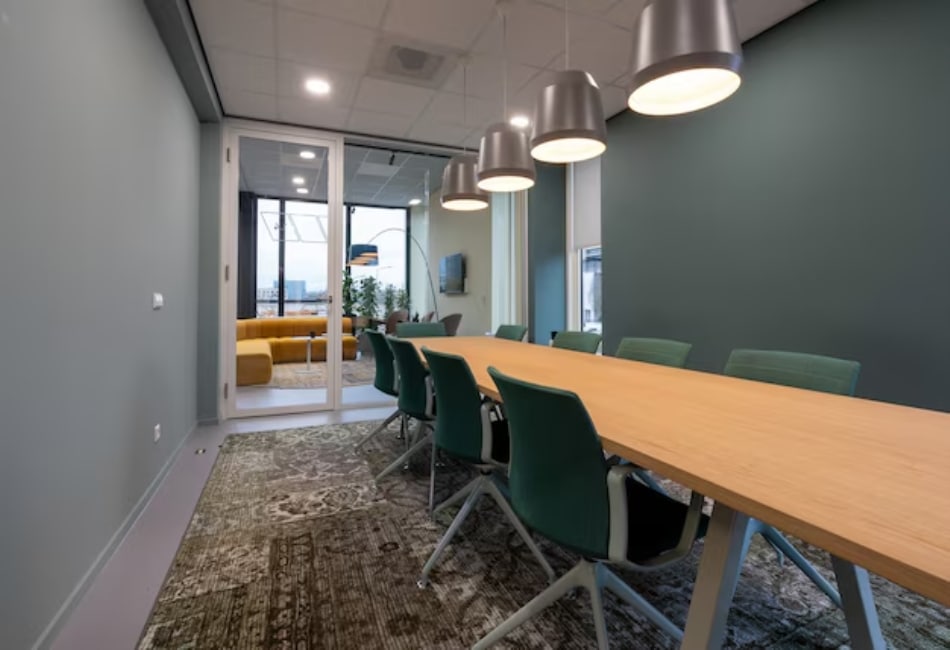
A well-designed conference room serves as the backbone of any successful business meeting, seminar, or corporate gathering. It is more than just a space with a table and chairs; it is an environment that fosters collaboration, encourages productivity, and enhances communication among participants. The perfect conference room is carefully curated to meet the needs of attendees while providing a comfortable, professional, and technologically advanced setting. Choosing and designing an ideal conference space requires a thoughtful approach that considers layout, technology, ambience, accessibility, and additional services that contribute to a seamless experience.
One of the most important factors in a perfect conference room Chiang Mai is its layout and size. The space should be large enough to accommodate all attendees comfortably without feeling cramped or overwhelming. The room’s arrangement should align with the purpose of the meeting, whether it is a formal board meeting, a brainstorming session, a client presentation, or a training workshop. The seating arrangement plays a key role in fostering engagement, with options such as a boardroom-style setup for executive meetings, a classroom-style layout for training sessions, or a theatre-style configuration for larger gatherings. A flexible conference room that allows for different setups ensures that the space can cater to a variety of business needs.
Technology is another critical component of a well-equipped conference room. Modern meetings often rely on advanced audiovisual tools, video conferencing capabilities, and seamless connectivity options. A high-resolution projector or large LED screen ensures that presentations are visible to all attendees, while a quality sound system and microphones enable clear communication, especially in larger rooms. Video conferencing equipment is essential for hybrid meetings, allowing remote participants to join discussions with minimal technical disruptions. High-speed internet connectivity is a necessity, ensuring that virtual meetings, online presentations, and collaborative digital tools function without interruption. Smartboards and interactive screens add an extra layer of engagement, making presentations more dynamic and interactive.
Comfort is a fundamental aspect of a conference room that is often overlooked. The best meeting spaces prioritise ergonomic seating to ensure that attendees remain comfortable, even during long sessions. Adjustable chairs with proper lumbar support help prevent fatigue, while tables at the right height contribute to an ergonomic setup. Climate control is another key factor, as an overly warm or cold environment can affect concentration and productivity. A well-ventilated room with the ability to adjust temperature settings provides a more pleasant experience for attendees. Natural lighting is ideal for keeping energy levels high, but where that is not possible, adjustable artificial lighting can create the right ambience for different types of meetings.
The aesthetics of a conference room contribute to the overall atmosphere of the meeting. A clean, uncluttered space with a modern and professional design sets the right tone for productive discussions. The use of neutral colours, high-quality materials, and stylish furniture enhances the professionalism of the space. Attention to detail such as artwork, plants, and décor elements can create a welcoming and inspiring environment. The inclusion of branding elements, such as company logos or custom signage, adds a personalised touch that reinforces corporate identity.
Accessibility is a crucial consideration in selecting or designing a conference room. The ideal meeting space should be located in an easily accessible area, preferably within a central business district, near transport hubs, or within a well-connected office building. Parking availability and public transportation options contribute to the convenience of attendees. For an inclusive meeting space, the room should be equipped with features that accommodate individuals with disabilities, including wheelchair-accessible entrances, elevators, and appropriate seating arrangements.
Catering and refreshments are additional elements that enhance the conference room experience. Providing attendees with coffee, tea, water, and snacks helps keep energy levels high and encourages interaction during breaks. For longer meetings or full-day conferences, access to meal options or in-house catering services ensures that participants do not need to leave the premises in search of food. Consideration of dietary restrictions and preferences ensures that all attendees are accommodated, creating a more comfortable and inclusive environment.
A well-organised conference room includes storage and organisation solutions that keep the space neat and functional. Built-in storage cabinets, discreet cable management systems, and clutter-free surfaces contribute to a professional and distraction-free setting. A whiteboard or flip chart can be useful for brainstorming sessions, while notepads and pens provide a traditional yet effective way to take notes. Charging stations and easily accessible power outlets allow attendees to keep their devices powered throughout the meeting.
Security and privacy should also be taken into account when designing or selecting a conference room. Many business discussions involve confidential information, so soundproof walls and secure access controls are essential to maintaining discretion. Meeting rooms within hotels or conference centres often offer private spaces that prevent disruptions and ensure confidentiality. The ability to lock the room when necessary adds an extra layer of security, particularly for high-level corporate meetings.
Event planning and support services can make a significant difference in ensuring a successful conference. Many modern conference rooms come with the option of hiring professional event coordinators, IT support staff, and administrative assistants to help with logistics and technical setup. These services allow organisers to focus on the content of the meeting while leaving operational details to experienced professionals. On-site technical support is particularly valuable for troubleshooting connectivity issues, ensuring smooth presentations, and assisting with video conferencing setup.
Sustainability is becoming an increasingly important factor in conference room design. Many businesses and event planners seek eco-friendly meeting spaces that incorporate energy-efficient lighting, recycled materials, and waste reduction initiatives. Paperless meetings, digital collaboration tools, and reusable materials help reduce environmental impact. Some venues even integrate green spaces or biophilic design elements, such as indoor plants and natural materials, to create a healthier and more sustainable meeting environment.
The perfect conference room is a combination of functionality, comfort, technology, and professional ambience. It is a space that not only facilitates effective communication but also enhances productivity and engagement. Whether for a small team meeting or a large corporate event, the right meeting environment contributes to the overall success of the gathering. Businesses and event organisers should carefully consider factors such as location, layout, amenities, and accessibility to create an ideal setting that meets the needs of all participants.
Conclusion
A perfect conference room is more than just a place to hold meetings; it is a carefully designed space that maximises efficiency, comfort, and professionalism. By integrating the right technology, prioritising comfort, ensuring accessibility, and offering additional services, an ideal meeting room creates an environment conducive to productivity and collaboration. Whether for corporate discussions, training sessions, or networking events, the right conference space sets the foundation for successful interactions and meaningful outcomes. Businesses that invest in well-equipped conference rooms, whether within their own offices or in dedicated venues, can expect to enhance their professional image, improve communication, and facilitate better decision-making.
