


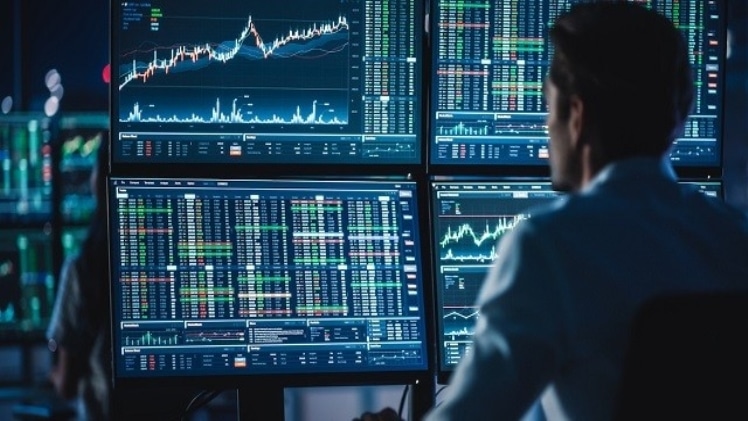
Forex trading, also referred to as foreign exchange or currency trading, has become an integral part of the global financial system. Every day, trillions of dollars are exchanged across international borders as currencies are traded for profit, investment, and to facilitate international trade. For both individual traders and large financial institutions, the forex market represents an opportunity to engage in a fast-moving, 24-hour financial environment.
This article will explore the role of forex trading in shaping the future of global finance, the opportunities and risks involved, and how technology like forex robots is transforming the way people trade.
The Global Importance of Forex Trading
At its core, forex trading facilitates international trade and investment. When companies operate across borders, they must convert currencies to make payments for goods and services. This creates a constant demand for foreign exchange, which is met through the forex market. As the global economy becomes increasingly interconnected, the forex market has expanded dramatically.
In recent years, more individual investors have become interested in forex trading, attracted by the market’s liquidity, volatility, and the potential for profit. Unlike the stock market, Unlike markets that operate within set hours, the forex market is open 24 hours a day throughout the week, enabling traders to react to global economic events in real-time, creating a highly dynamic and fast-paced trading environment.
Opportunities in Forex Trading
For individual traders, forex offers several key opportunities:
- High Liquidity: Forex is the most liquid market in the world, meaning there are always buyers and sellers available. This makes it easier to enter and exit trades, often without significant price changes.
- Low Entry Costs: Unlike other financial markets that require large sums of money to start trading, forex trading often has a low entry threshold. Many brokers offer micro-accounts with minimal initial deposits, making it accessible to a wide range of traders.
- Leverage: Forex trading allows traders to use leverage, which means they can control large positions with relatively small amounts of capital. While this increases the potential for profit, it also amplifies the risk of losses.
- Global Exposure: Forex trading gives investors the opportunity to trade currencies from around the world. This allows traders to gain exposure to different economies and their performance.
Challenges in Forex Trading
Despite its opportunities, forex trading is not without risks. The volatile nature of the market means that traders can experience large swings in currency values in a short period of time. Managing risk is essential in forex trading, and traders must be prepared for the possibility of losing capital.
One of the main challenges that traders face is the complexity of the market. A variety of factors, such as interest rates, economic indicators, geopolitical occurrences, and market sentiment, influence currency values. Traders need to keep abreast of international events and comprehend their potential effects on the currencies they trade.
Additionally, many new traders enter the market with unrealistic expectations. The promise of quick profits can lead to poor decision-making and over-leveraging, which can quickly deplete an account.
The Role of Technology in Forex Trading
In recent years, technology has played a significant role in transforming the forex market. One of the most notable advancements is the development of forex robots. These are automated trading systems that can execute trades on behalf of a trader based on predefined criteria.
What is a Forex Robot?
A forex robot, aka Forex algorithmic trader, is a piece of software that uses algorithms to analyze market conditions and execute trades. These robots can be programmed to execute certain trading strategies, like trend-following or mean-reversion, and are capable of making trades autonomously, without human intervention.
The main advantage of forex robots is that they can trade 24 hours a day, even when the trader is not actively watching the market. This enables traders to capitalize on trading opportunities that might arise overnight or in times of significant volatility.
How Forex Robots are Changing the Game
For both novice and experienced traders, forex robots offer a number of benefits:
- Consistency: Forex robots eliminate human emotions from trading. Greed, fear, and overconfidence can often lead to poor decision-making in the market. A robot, however, follows a set strategy and executes trades consistently based on predetermined rules.
- Backtesting: Most forex robots allow for backtesting, which means traders can test their strategies on historical market data to see how they would have performed. This helps traders refine their strategies and increase their chances of success.
- Time Efficiency: For traders who do not have time to monitor the market constantly, forex robots provide a way to stay active in the market without being tied to the screen. This is especially beneficial for part-time traders or those with other full-time commitments.
However, it’s important to remember that forex robots are not infallible. They are only as good as the strategies they are programmed with. In volatile market conditions, forex robots may struggle to adapt and could lead to losses. Regular monitoring and adjustments are still necessary to ensure optimal performance.
The Future of Forex Trading
As the global financial system continues to evolve, forex trading will likely play an even more significant role in shaping the future of global finance. Emerging economies, technological advancements, and changing regulatory environments will all have an impact on how the market operates.
Forex and Emerging Markets
In particular, emerging markets are becoming increasingly important in the forex landscape. As countries like India, China, and Brazil continue to grow, their currencies are playing a larger role in the global economy. This opens up new possibilities for traders to diversify their portfolios and capitalize on the growth opportunities in these markets.
Increased Regulation
At the same time, increased regulation is likely to shape the future of forex trading. As more individuals enter the market, regulators are working to protect traders from fraud and ensure fair market practices. In many countries, Forex brokers must obtain a license and comply with rigorous regulatory standards. This contributes to a more transparent and secure trading environment for all participants.
Conclusion
Forex trading has come a long way in recent years and continues to evolve as new technologies and market developments emerge. While the market offers significant opportunities for traders to profit from global currency movements, it is essential to understand the risks involved and the importance of having a solid trading strategy.
The rise of forex robots is changing the way traders approach the market, offering new tools for automation and consistency. However, human oversight remains crucial, especially in volatile market conditions.
As forex trading continues to shape the global financial system, both individual traders and large institutions will need to adapt to new challenges and seize the opportunities that this dynamic market provides.
