


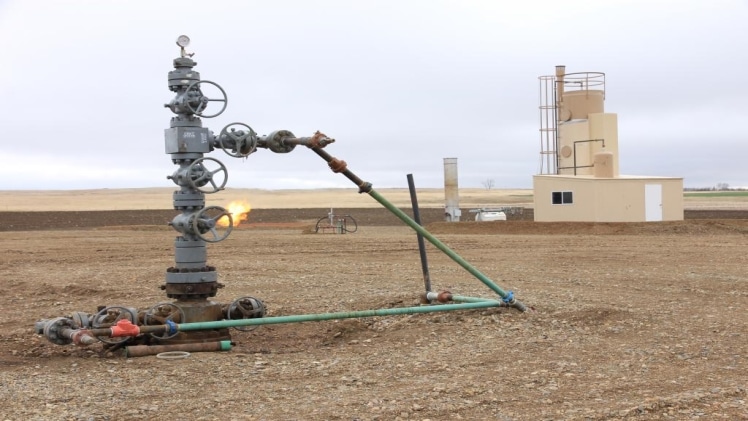
The oil investing market is at a turning point where opportunity and risk must be balanced. Even with the global economy moving toward renewable energy, oil is still a major component. However, the future of oil investment is uncertain due to unstable markets and quickening technical advancements. How can investors make wise, well-informed decisions in these changes? Thinking about diving into oil investments but unsure where to start? Oil Profit offers access to leading experts, ensuring you’re equipped with the knowledge needed to understand the latest market trends.
Trends and Transformations in the Present Oil Investment Situation
Although oil investment has always played a significant role in world economies, today’s market differs considerably from ten years ago. One significant shift is the volatile oil price, which is impacted by things like health issues and political unrest.
For instance, several oil firms suffered when the COVID-19 epidemic caused a sharp decline in the oil market. Conversely, as economies recovered, so did the price of oil. Investors need to prepare for this back-and-forth.
In addition to price changes, the oil industry is witnessing a change in the flow of capital. Major producers are currently exploring new avenues for oil extraction, such as drilling in deeper oceans.
Although these techniques may be more costly, they provide the possibility of accessing larger oil reserves. This raises a crucial query for investors: Are these new methods worth the price? The speed at which we switch to renewable energy sources may determine the response.
Government regulations about the environment are also getting tighter. Oil firms must abide by the restrictions that countries are enacting to operate and limit carbon emissions. This means that investors need to consider how new legislation can affect oil projects’ potential to turn a profit.
Innovations in Technology What’s Driving the Oil Industry
In the oil sector, technology is more important than ever. The most intriguing development is how businesses can extract oil more effectively thanks to sophisticated technologies.
Fracking is one technique that is growing increasingly popular because it permits oil to be extracted from places that are hard to reach. Large reserves were made available by fracking in nations like the United States, which, thanks to this technology, rose to become one of the world’s top oil producers.
An additional game-changer is automation. Oil firms use machine learning and artificial intelligence (AI) to enhance their production processes. For instance, sensors can identify pipeline issues before they require costly repairs.
This saves money and lowers downtime. More remotely operated oil rigs may be seen in the future, which would lessen the need for human workers in hazardous conditions.
But new threats accompany all these advancements. What happens if hackers or technology malfunctions take over automated systems? Investors need to consider these possible hazards.
Technology, however, is creating new chances for those who are prepared to take a chance. Oil firms that adopt innovation may experience more revenue and reduced expenses. Still, they will also have to maintain system security and keep up with the quick speed of change.
Concerns about the environment, society, and governance (ESG): A Double-Beveled Blade
Oil investment is being disrupted by the emergence of ESG (Environmental, Social, and Governance) principles. Investors consider a company’s environmental impact and potential for profit.
This implies that the evaluation of oil firms is based on how effectively they manage matters such as corporate governance, labor policies, and carbon emissions. While some fear this could harm revenues, others see it as a step toward a more responsible industry.
Environmental issues are very important. Investors are curious about what oil corporations are doing to lessen their carbon impact as climate change gains greater attention.
For instance, businesses are pressured to increase their energy efficiency or fund renewable energy initiatives. However, balancing environmental efforts and the desire to make money is not easy for oil companies. In the near run, going “greener” can mean paying more and getting less in return.
Worldwide Geopolitical Hazards: Handling Uncertainty in Petroleum Investment
Global politics and oil investment are frequently linked. Investments in many oil-rich locations are hazardous due to their reputation for instability. Consider the Middle East as an example. Although some of the world’s largest oil reserves are in this region, supply can be easily disrupted by conflicts or sanctions.
For instance, sanctions against nations such as Russia or Iran have caused notable changes in the market that impact the price of oil globally and make it more difficult for investors to forecast returns.
Less evident effects of political actions also affect the oil business. For example, supply chains may be significantly impacted by nations’ efforts to achieve energy independence or negotiate new trade agreements.
These developments may reduce the appeal of current investment possibilities or create new ones. Investors must closely monitor these political developments to stay ahead of the curve.
It’s not all terrible news, either. Opportunities arise from political hazards. When a battle cuts off a nation’s oil supply, demand in other areas may soar, pushing prices.
Sometimes, these circumstances work for investors who remain informed and make prompt decisions. The problem is that forecasting the political landscape is quite difficult. Working with financial professionals who are aware of this complexity and can provide advice on risk management is vital.
Conclusion
In conclusion, investing in oil presents several opportunities and serious difficulties. To stay ahead, it’s essential to comprehend market trends, use new technologies, and consider environmental factors. Knowledgeable investors can still exploit lucrative possibilities even with the looming geopolitical threats. In this changing environment, it’s critical to be flexible. Are you ready for the future of energy investment?
