


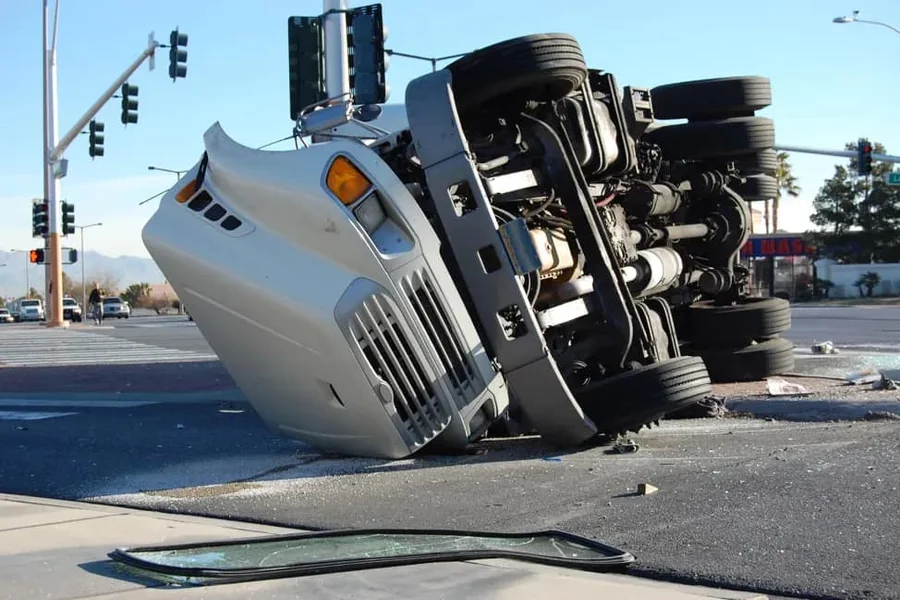
The road after dark can be a dangerous place for truck drivers. Training and protocols should be in place to reduce risks. That means that the companies running the deliveries should have compliance plans for safety and alertness in place. However, the reality is that truck drivers covering routes at night face many different challenges that don’t impact daytime drivers. Here’s a look at why accidents occur during overnight deliveries.
Tired Drivers
It should come as no surprise that fatigue is the strongest risk factor for accidents during overnight deliveries. Humans run on a 24-hour sleep cycle known as our circadian rhythm. The brain creates “awake” signals naturally during daylight hours. “Sleep” signals are created when it’s dark outside.
People who regularly take overnight delivery shifts often acclimate to living on a “reverse” schedule. However, society and the demands of daily life can make this difficult. Daytime distractions or things that prevent a driver from getting at least eight hours of sleep between shifts can leave them exhausted by the time a route begins at night. There’s also an extra risk when a person who usually only drives during the day picks up an overnight shift. Their body may not be acclimated to staying up all night. Workers are sometimes pressured to cover overnight shifts after they’ve already worked daytime shifts.
Driver fatigue during overnight deliveries can make the road dangerous. Not being rested can lead to slow reaction times, reduced decision-making skills, and falling asleep at the wheel. The danger can be even higher when a tired driver steps in to cover a route with roads that are unfamiliar to them.
Reduced Road Visibility
Nighttime roads can have dramatically decreased visibility compared to daytime roads. This is especially true on country roads that lack lights. However, even major highways can be difficult to navigate in the dark. Additionally, glare from street lights can impair visibility.
There are added dangers when objects in the road are obscured. For example, a pedestrian crossing a roadway may be difficult to see at night. The same goes for things like deer or domestic animals that would be easier to spot during the day. Finally, there’s also a risk of other drivers on the road not being visible to a truck driver if their lights are broken or left off.
Navigation Problems
After-dark driving isn’t just challenging because it’s harder to see what’s on the road. Simply reading road signs and traffic directions can also become more difficult. This puts drivers at risk for missing essential signs. Drivers may enter one-way lanes from the wrong direction, fail to spot speed limits, or become distracted by trying to read the wording on exit signs.
Struggling to read road signs can become frustrating. It can also become distracting. Nighttime drivers may take their eyes off the road in front of them in order to concentrate on highway or road signs. In addition, they may spend excessive time glancing at the GPS on their truck console or phone instead of looking at the road.
Tight Delivery Deadlines
Overnight deliveries are often time-sensitive deliveries. Drivers can face strong pressure to make deliveries before businesses open for the day. Expectations can be especially unforgiving for drivers making daily deliveries to stores and restaurants that need products in stock before they can open.
Additionally, drivers are sometimes middlemen drivers or last-mile drivers tasked with transporting mail or packages labeled as “priority” or next-day shipping. Customers pay top dollar to ensure these time-sensitive packages are delivered on time. As a result, shipping companies and courier services take losses when they fail to deliver as promised. The burden falls on the truck driver responsible for getting the package to its destination in all kinds of traffic and weather situations. Delays that occurred before the package was even in the hands of the driver can tighten the deadline significantly.
Drivers often feel pressured to meet delivery deadlines. They may speed to make up for lost time. They may also become fatigued by the intense stress and pressure of rushing to get to the next stop. In some cases, drivers feel that skipping time-consuming safety protocols is the only way to get packages to their destinations on time.
Poor Maintenance
Drivers who take overnight routes are sometimes getting behind the wheel of a vehicle that was driven all day long on delivery routes. That leaves a lot of time for a vehicle to undergo wear and tear. Ideally, vehicles are being inspected before nighttime routes begin. However, that doesn’t always happen. Everything from lack of available staff in the evening to lack of downtime between shifts can cause proper fleet maintenance to slip through the cracks. An overnight delivery driver may not realize that the vehicle they’re stepping into has worn brakes, electrical issues, or steering problems that were triggered earlier in the day.
The Bottom Line: Overnight Delivery Drivers Take on Special Risks
All delivery drivers need proper training and safety support. While that’s without question, the reality is that overnight delivery drivers have less room for error compared to daytime drivers. Natural nighttime fatigue and reduced visibility are stacked up against drivers. A culture of not being able to advocate for yourself can make night deliveries even more dangerous.
Most delivery accidents don’t just happen because of bad luck. There’s a common formula putting overnight workers at risk. Poor training, lack of safety protocols, and pressure to meet tight deadlines for overnight deliveries are all contributing factors that experienced truck accident lawyers like those at Folkman Law see often when delivery truck accidents happen.
