


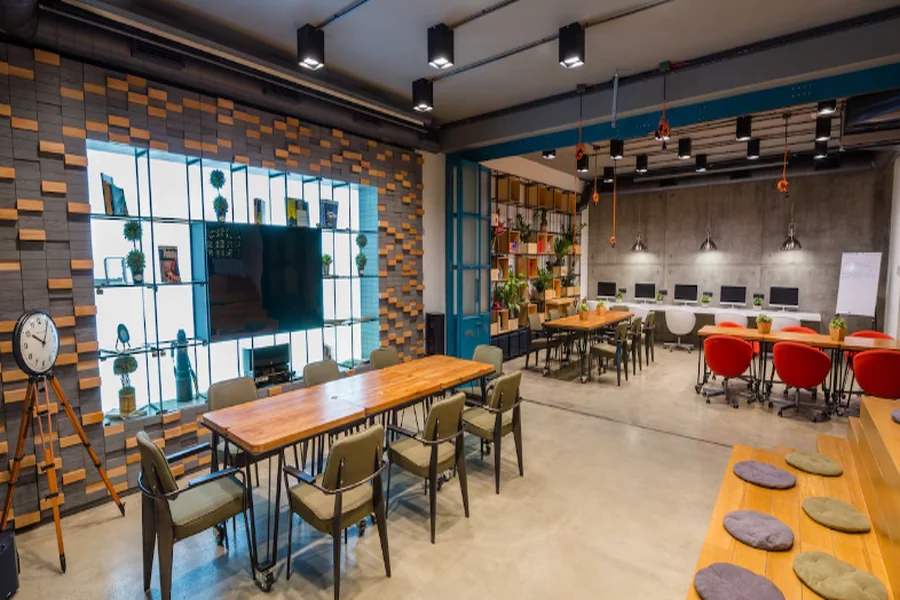
The modern workplace is more than a collection of desks, chairs, and meeting rooms. A well-designed office can influence how employees collaborate, communicate, concentrate, and experience their working day. As businesses increasingly recognise the connection between the physical environment and employee experience, office interior design has become an important consideration for companies of all sizes.
A successful office should reflect the organisation’s identity while meeting practical requirements. It needs to accommodate different working styles, provide comfortable spaces for collaboration and focused work, and create an environment that feels professional and welcoming. Thoughtful planning can transform an ordinary workplace into a functional environment that supports both people and business objectives.
Understanding the Purpose of Office Design
Office interior design combines functionality, aesthetics, ergonomics, and spatial planning. The objective is not simply to make a workplace look attractive. Every design decision should contribute to how effectively the space is used.
Before designing an office, businesses should consider factors such as the number of employees, departments, workflow, meeting requirements, storage needs, technology, and future growth. Understanding these requirements helps designers create spaces that support daily operations rather than simply following current trends.
A well-planned office can also make better use of available floor space. Strategic positioning of workstations, meeting areas, breakout zones, and storage can improve movement throughout the workplace while reducing unnecessary clutter.
Creating Productive Work Areas
Different tasks require different environments. Employees who need to concentrate may benefit from quieter work areas, while teams working collaboratively may need spaces where conversation and interaction are encouraged.
Modern offices can incorporate a combination of individual workstations, private rooms, meeting spaces, collaborative areas, and informal seating. Providing this variety allows employees to choose an appropriate environment depending on the task they are performing.
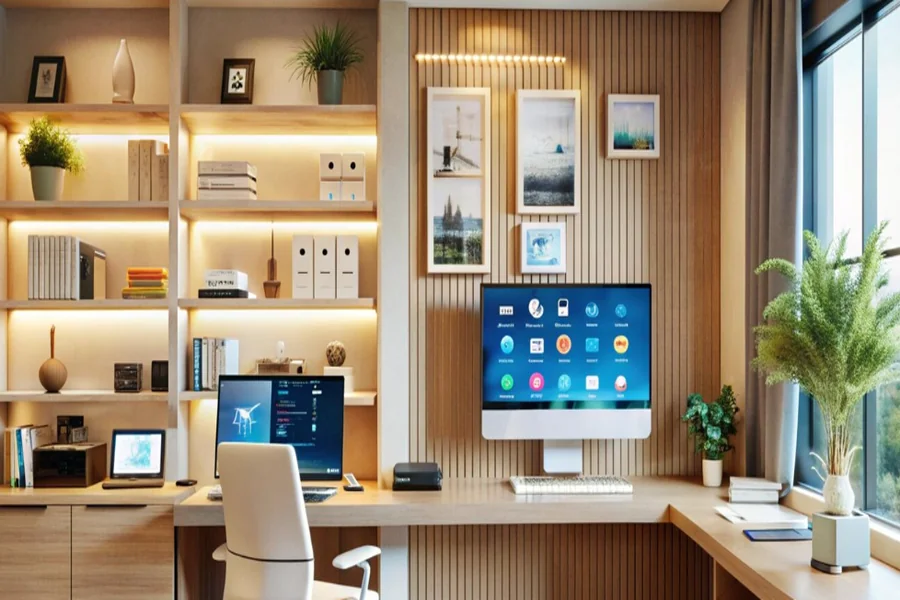
Lighting is another important consideration. Natural light can make a workplace feel more open and pleasant, while carefully selected artificial lighting can support visibility and comfort. Designers should consider glare, screen use, and the placement of workstations when planning lighting arrangements.
The Role of Ergonomics
Employee comfort should be an essential part of workplace design. Workers can spend many hours at their desks, making appropriate furniture and workstation layouts important considerations.
Ergonomic chairs, suitable desk heights, monitor positioning, and adequate movement space can contribute to a more comfortable working environment. Office layouts should also provide sufficient circulation space so employees can move around without feeling restricted.
Ergonomics extends beyond individual desks. Meeting rooms, breakout spaces, kitchens, and shared areas should also be designed with comfort and accessibility in mind.
Office Interior Design
Businesses planning a new workplace can explore professional office interior design solutions to develop a workspace that balances functionality and visual identity. A specialist design team can help businesses assess their requirements, plan layouts, select finishes, and create an environment that reflects their brand.
Professional planning can be particularly useful when dealing with limited floor space, complex workplace requirements, or the need to coordinate multiple design elements. The goal should be to create an office that supports employees while remaining practical for day-to-day operations.
Reflecting Brand Identity Through Design
An office can communicate important aspects of a company’s identity. Colours, materials, furniture, signage, artwork, and architectural details can all contribute to how visitors and employees perceive an organisation.
A technology company might prefer a contemporary environment with flexible collaborative spaces, while a professional services firm may choose a more refined and formal aesthetic. Creative businesses may incorporate distinctive colours, artwork, or unconventional layouts.
Brand expression should nevertheless be balanced with practicality. A visually striking office is most effective when its design also supports the people using it.
Incorporating Collaboration Spaces
Collaboration is an important part of many modern workplaces. Meeting rooms are useful for formal discussions, but not every conversation requires a traditional conference room.
Informal seating areas, small discussion zones, writable surfaces, and flexible furniture can create additional opportunities for employees to exchange ideas. These spaces can also be useful for short meetings or spontaneous discussions.
Flexible collaboration areas can be particularly valuable for businesses where teams change frequently or employees work on different projects.
The Importance of Storage and Organisation
Clutter can make even a well-designed office feel uncomfortable. Effective storage planning helps businesses maintain an organised environment while making important materials easily accessible.
Storage solutions can include built-in cabinets, shelving, mobile storage, filing systems, and dedicated equipment areas. Digital workplaces may require less paper storage than traditional offices, but businesses still need practical solutions for documents, technology, stationery, and personal belongings.
Good organisation can also contribute to a cleaner visual environment and make better use of available space.
Sustainability in Office Design
Sustainability has become an increasingly relevant consideration in interior design. Businesses can explore environmentally responsible materials, energy-efficient lighting, durable furniture, and strategies that reduce unnecessary waste.
Using natural light effectively can also help reduce reliance on artificial lighting during the day. Choosing durable materials can contribute to longer-lasting interiors and reduce the need for frequent replacements.
Sustainable design does not necessarily require compromising aesthetics. Many modern materials and products combine attractive finishes with environmentally conscious characteristics.
Designing for Future Growth
An office should ideally be designed with the future in mind. Businesses may grow, reorganise teams, introduce hybrid working arrangements, or change their operational requirements.
Flexible furniture and adaptable layouts can make it easier to modify a workplace without undertaking a complete renovation. Designing spaces that can serve multiple purposes can also provide greater long-term value.
Before finalising a design, businesses should consider not only how the office will function today but also how it may need to adapt over the coming years.
Conclusion
Office interior design can have a meaningful influence on productivity, comfort, collaboration, company identity, and employee experience. A successful workplace balances practical requirements with thoughtful aesthetics, creating an environment that supports the people and activities within it.
From ergonomic workstations and effective lighting to collaborative areas, storage solutions, branding, and sustainable materials, every element contributes to the overall workplace experience. Careful planning can also ensure that the office remains flexible enough to accommodate future changes.
Ultimately, the best office design is one that looks professional while working effectively for the people who use it every day. By combining functionality, comfort, flexibility, and visual identity, businesses can create workplaces that are productive, welcoming, and prepared for the future.
