


Choosing a software development partner is not only about finding the right technical skills. The way you work with that partner can affect your budget, project control, flexibility, and how easily the product can grow. A fixed-price model may work well for a clearly defined project, while a startup building a product over several years may need a more flexible setup. Understanding the main software development engagement models can help you choose an approach that fits your business.
1. What is a software development engagement model?
A software development engagement model defines how a business and its development partner work together. It usually covers areas such as project scope, team structure, responsibilities, level of client involvement, and how development work is managed and paid for.
It is worth separating an engagement model from a pricing model. For example, a dedicated development team is an engagement model, while hourly or monthly billing is a way to price that engagement.
There is no single model that works for every project. The right choice depends on how clear your requirements are, how much control you want, and whether you are building a one-time solution or a product that will continue to evolve.
2. Software development engagement models: 5 common approaches
2.1. Fixed-price model
With a fixed-price model, the client and development partner agree on the scope, timeline, and budget before development starts. This model is often suitable when requirements are already clear. For example, a business may have a detailed specification for a website, mobile application, or specific software feature and simply needs a team to deliver it.
The main advantage is budget predictability. You know roughly what the project will cost before development begins. The limitation is flexibility. Software requirements often change after users provide feedback or business priorities shift. When that happens, changes may require new estimates, additional costs, or timeline adjustments.
Best for: clearly defined projects with stable requirements.
2.2. Time and material
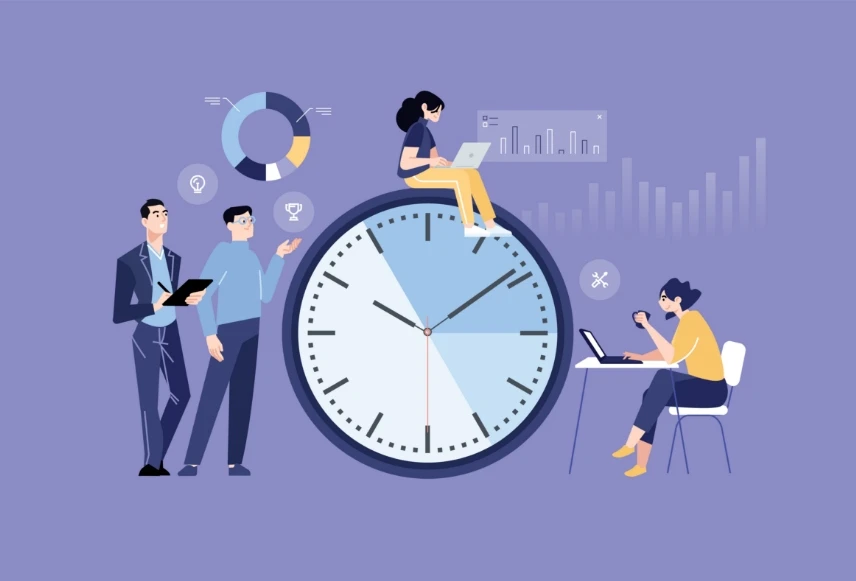
The time and material model is more flexible. Instead of agreeing on the full cost of the project upfront, the client pays based on the agreed rates and the actual time or resources used. This works well for products where requirements are expected to change. The team can develop a feature, review the results, collect feedback, and then adjust the next sprint.
For startups still validating product-market fit, this flexibility can be useful because priorities and requirements may evolve quickly. It is often difficult to know every feature that will be needed six or twelve months in advance.
The trade-off is that the total budget is less predictable than with a fixed-price project.
Best for: Evolving products, Agile development, and projects where priorities may change.
2.3. Dedicated development team
A dedicated team gives a business a group of developers and other specialists who work primarily on its product for an extended period. The team may include developers, QA engineers, designers, business analysts, and project managers. Depending on the agreement, the client can retain significant control over product priorities, roadmap, and team collaboration. The dedicated software development team model is different from simply hiring individual developers. The goal is to create a stable team that builds knowledge of the product over time.
For startups and SMEs, a dedicated team can be useful when building an internal engineering team would take too much time or cost. It also makes sense when the product will need continuous development rather than a single delivery.
Best for: long-term product development and businesses that need a stable engineering team.
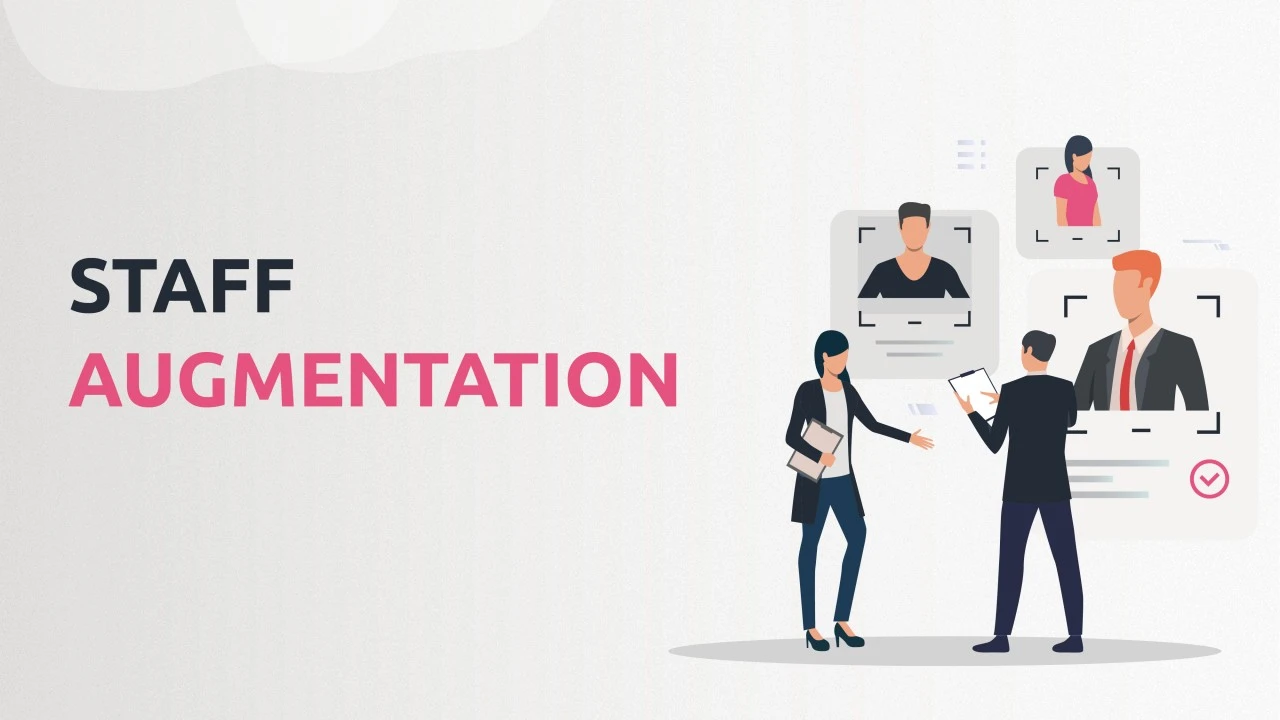
2.4. Staff augmentation
Staff augmentation is more focused on filling specific gaps in an existing team. For example, a company may already have its product managers and developers but need two additional React developers or a DevOps engineer for six months. The development partner provides those specialists, while in a typical staff augmentation arrangement, the client’s internal team manages day-to-day priorities and workflows
The main benefit is flexibility. Businesses can add skills or capacity without going through a full recruitment process. However, staff augmentation may not be the best choice if you need a partner to take responsibility for the overall product delivery.
Best for: companies with an existing engineering team that need additional skills or capacity.
2.5. Managed delivery
With managed delivery, the development partner takes more responsibility for execution. Instead of simply providing developers, the partner may help with planning, team management, technical decisions, QA, risk management, and delivery. This gives the client more time to focus on business and product decisions.
The model can be particularly useful for SMEs that have a defined product direction but do not want to build and manage a large internal engineering organization.
Best for: businesses that want to outsource product development while keeping control of the business direction.
3. How should you choose?
A simple way to compare the models is to start with four questions:
- Are your requirements clear? Consider Fixed Price.
- Will your requirements change regularly? Consider Time and Material.
- Do you need a long-term product team? Consider a Dedicated Team.
- Do you already have a technical team but need more people? Consider Staff Augmentation.
- Do you want a partner to take greater responsibility for delivery? Consider Managed Delivery.
You also do not have to use only one model throughout the entire product lifecycle. A startup might begin with a defined discovery engagement, move to a dedicated team for product development, and later add specialist resources as new technical needs emerge.
For businesses building software products, the engagement model should support the product as it develops, not just the initial project. PowerGate Software has worked with startups and global businesses since 2011, delivering more than 200 successful projects. As an AI-powered Software Product Studio, PowerGate combines product consulting, design, engineering, QA, and support to cover the full product lifecycle.
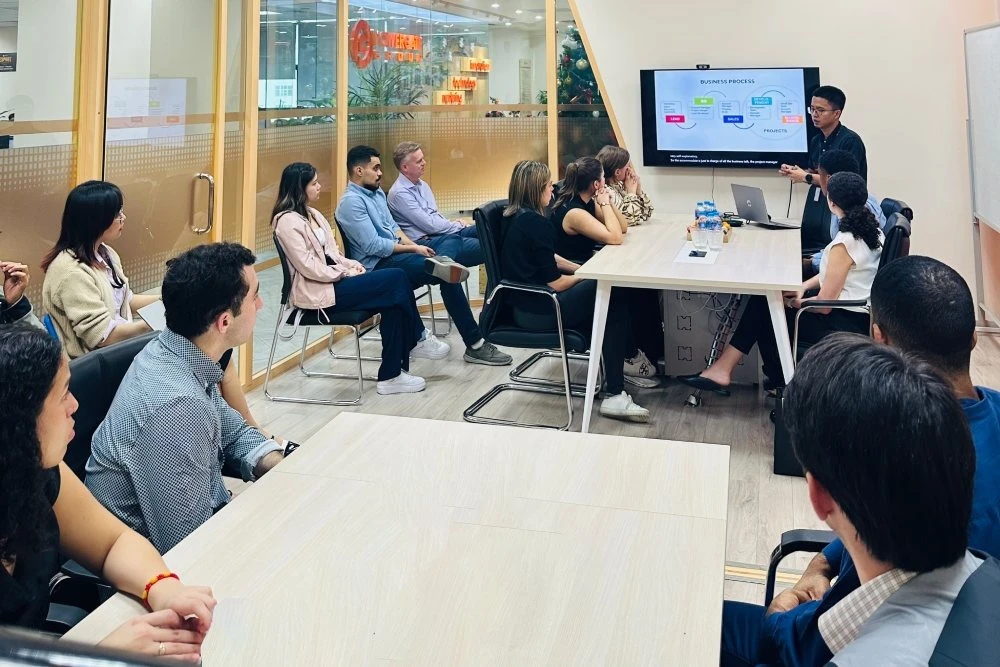
Its Dedicated Software Development Team model is designed for businesses that need additional engineering capacity while retaining control over product priorities, roadmap, and day-to-day collaboration.
For a startup or SME, the important question is therefore not simply “Which engagement model is the cheapest?” It is whether the model gives you the right balance of control, flexibility, technical capability, and long-term support. The right structure can make collaboration easier and help your development team stay aligned as the product changes.
