


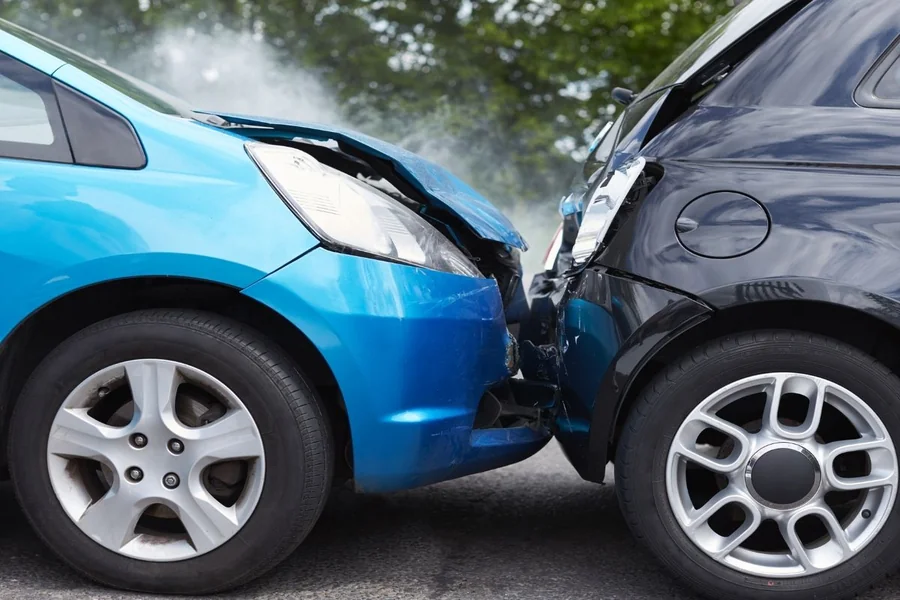
A car that drives away from a collision with a scuffed bumper and a working engine can still carry thousands of dollars in damage that isn’t visible from the outside. The same engineering that has made modern vehicles safer for occupants — collapsible bumper systems, structural crumple zones and a growing network of cameras and sensors — is designed to absorb the force of an impact in ways that leave a vehicle’s exterior a poor indicator of what actually happened underneath. For drivers filing an insurance claim or pursuing a personal injury case after a crash, that gap between appearance and actual damage can shape how much compensation they ultimately receive.
How Bumpers and Panels Disguise Impact
The plastic or fiberglass cover on a modern bumper is not a vehicle’s primary structural protection. It is a shell over a foam-and-steel system engineered to manage low-speed impacts without transferring force into the frame. Behind that cover sits a reinforcement bar mounted to energy-absorbing brackets designed to compress on impact.
According to collision repair industry guidance, a bumper cover can pop back into a near-original shape after a crash even when the bar and brackets behind it have bent or cracked. Technicians typically discover this kind of damage only after removing the cover during repair, not during a roadside or parking-lot inspection.
How Crumple Zones Do Their Job
Crumple zones are sections of a vehicle’s front and rear structure engineered to buckle in a controlled pattern, extending the time over which a crash’s force is absorbed and redirecting it away from the passenger compartment. That design lowers the deceleration forces that reach occupants and reduces injury severity across a wide range of collisions. It also means frame rails, shock towers and subframe components can compress or shift out of alignment while the sheet metal and paint above them show little sign of what occurred.
A vehicle with this kind of hidden misalignment may pull to one side, wear tires unevenly or fail to protect occupants as designed in a future collision. These problems typically surface only through a structural inspection using measuring equipment, not a visual check.
Sensors Add Another Layer
Late-model vehicles carry cameras, radar units and other components that support automatic emergency braking, lane departure warning and adaptive cruise control. These systems are often mounted in the bumper, windshield or side mirrors, and collision repair testing has found that even a low-speed impact can shift a sensor’s position without producing a visible dent or a dashboard warning light.
A December 2023 AAA study of three 2023 model-year vehicles found that replacing components tied to these systems accounted for 40.9% of the average repair cost in a minor rear-end collision and 13.2% of the average cost in a minor front-end collision, with individual component and calibration costs ranging from $290 to more than $1,500. Recalibrating these systems after a repair, using specialized equipment to confirm cameras and sensors are aimed to manufacturer specifications, has become a standard part of collision repair for a large share of vehicles now on California roads.
The Legal Stakes of Hidden Damage
California traffic fatalities totaled 4,061 in 2023, according to the California Office of Traffic Safety, and the state records millions of additional collisions each year that fall below that threshold. Insurance adjusters evaluating these claims frequently rely on photographs of vehicle damage to estimate the force of a collision and, by extension, the likely severity of an occupant’s injuries.
California personal injury attorneys have identified this practice, sometimes called the “low property damage” defense, as a recurring tactic insurers use to argue that a claimant could not have been seriously hurt because the vehicle involved shows only modest visible damage.
That argument runs up against the way modern vehicles are built. A car engineered to absorb crash energy through hidden structural deformation and sensor recalibration can transmit forces to an occupant that a bumper photo does not reflect. Repair estimates that grow substantially once a shop opens a bumper cover or scans a vehicle’s driver-assistance systems illustrate how much force a collision that looks minor from the outside can actually involve.
California’s Legal Framework
Under California Civil Code Section 1714, a driver who fails to exercise reasonable care and causes injury to another can be held liable for the resulting harm, regardless of how the vehicle involved appears after the crash. Documentation of hidden structural and mechanical damage — including repair invoices, ADAS calibration records and, where available, an independent vehicle inspection — can serve as evidence of the actual forces involved in a collision when the visible damage understates them.
Injury claims tied to a California motor vehicle collision are generally subject to the two-year statute of limitations set out in Code of Civil Procedure Section 335.1. Claims arising from a crash involving a public entity, such as one tied to a roadway defect, are subject to a separate six-month claim-filing deadline under Government Code Section 911.2. Drivers pursuing a claim benefit from preserving repair records and requesting a full structural and ADAS inspection before accepting a settlement based on visible damage alone.
