


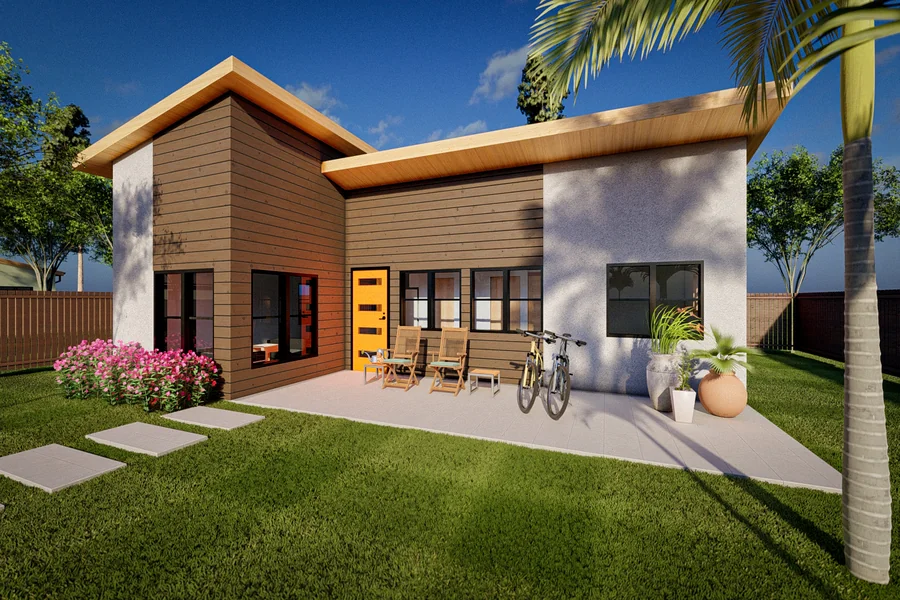
Homeowners across Orange County are looking for better ways to make use of their property. Rising home prices and increasing demand for flexible living spaces have made accessory dwelling units more popular than ever. Whether you want extra rental income a place for family members or a private home office an ADU can offer several practical benefits.
Still many homeowners ask the same question. Are ADUs really worth the investment?
The answer depends on your goals budget and property. For many people the long-term value outweighs the upfront cost especially when the project is planned carefully. If you are considering ADU construction Orange County homeowners often begin by working with experienced builders who understand local regulations and can help avoid delays during the approval process.
What Is an ADU?
An accessory dwelling unit also known as an ADU is a smaller residential home built on the same property as a primary house. It can be attached to the existing home converted from an existing garage or built as a separate structure in the backyard.
An ADU usually includes everything needed for independent living including a kitchen bathroom bedroom and living area. Because of this it offers much more flexibility than simply adding another room to your house.
Why ADUs Have Become So Popular
The demand for housing continues to grow throughout California. Local governments have also introduced rules that make it easier for homeowners to build ADUs in many neighborhoods.
Instead of purchasing another property homeowners can increase the usefulness of the land they already own. This creates opportunities for families and investors without needing large developments.
As a result ADUs have become one of the most requested home improvement projects in Orange County.
The Financial Benefits
One of the biggest reasons people build ADUs is the financial return.
A completed ADU can generate monthly rental income if local regulations allow long-term rentals. Even if you do not plan to rent it immediately having a second living space can increase your property’s market appeal.
Some financial benefits include:
- Additional rental income
- Increased property value
- Better return on unused land
- More options if your family’s housing needs change
Although construction requires a significant investment many homeowners recover a portion of those costs through rental income over time.
A Flexible Living Space
Not every homeowner builds an ADU for financial reasons.
Many families need extra space without wanting to move to a larger home. An ADU provides privacy while keeping loved ones close.
Common uses include:
- Housing aging parents
- Giving adult children a place to live
- Guest accommodations
- Home office
- Art or music studio
- Caregiver housing
This flexibility makes an ADU valuable throughout different stages of life.
Understanding the Costs
Building an ADU requires careful budgeting. Costs vary depending on size design materials site conditions and utility connections.
Some common expenses include:
- Design and architectural plans
- Engineering
- Building permits
- Site preparation
- Construction labor
- Plumbing and electrical work
- Landscaping
- Utility upgrades
While costs can seem high at first many homeowners view the project as a long-term investment rather than a short-term expense.
Getting multiple estimates and working with qualified professionals helps prevent unexpected costs later.
Local Regulations Matter
Orange County cities may have different zoning rules permit requirements and development standards.
Before construction begins homeowners should understand:
- Maximum ADU size
- Property setbacks
- Parking requirements
- Height restrictions
- Utility connection rules
- Fire safety requirements
Working with professionals who regularly complete ADU projects in the area helps simplify the approval process and reduces the chance of expensive revisions.
Design for Long-Term Value
A successful ADU is not just about adding square footage. Good design improves functionality and increases future value.
Think beyond today’s needs. Consider how the space might be used five ten or even twenty years from now.
Features that often improve long-term value include:
- Efficient floor plans
- Plenty of natural light
- Energy-efficient windows
- Durable flooring
- Modern kitchens
- Quality insulation
- Smart storage solutions
A well-designed ADU feels comfortable even with a smaller footprint.
Construction Timeline
Many homeowners underestimate how long an ADU project takes.
The timeline usually includes:
- Planning
- Design
- Permit approval
- Site preparation
- Construction
- Final inspections
Permit approval can sometimes take longer than the building process itself depending on local requirements.
Starting with a realistic schedule helps reduce frustration and allows homeowners to plan accordingly.
Potential Challenges
Like any construction project building an ADU comes with challenges.
Some common issues include:
- Unexpected site conditions
- Permit delays
- Material price changes
- Utility upgrades
- Budget adjustments
These challenges are manageable with good planning and experienced contractors.
Keeping a contingency budget also provides peace of mind if unexpected costs arise.
Is an ADU Right for Your Property?
Not every property is identical. Before moving forward ask yourself a few important questions.
- Do you have enough available space?
- Can your budget support the project?
- What is your primary goal?
- Will you rent the unit or use it personally?
- Does your neighborhood support ADU development?
Answering these questions helps determine whether building an ADU makes financial and practical sense.
Long-Term Investment Potential
Unlike many home improvements an ADU continues providing value long after construction is complete.
It may generate income improve family living arrangements and increase resale appeal all at the same time.
As housing needs continue to change buyers increasingly appreciate homes with flexible living options. An existing ADU can become an important selling feature that separates your property from others on the market.
For homeowners planning to stay in their homes for many years this added flexibility becomes even more valuable.
Tips Before You Begin
Before hiring a contractor take time to prepare.
Research local requirements thoroughly. Create a realistic budget including a reserve for unexpected expenses. Review contractor references and previous projects. Make sure your plans fit both your current needs and future goals.
Clear communication throughout the project also helps avoid misunderstandings and keeps construction moving smoothly.
Final Thoughts
For homeowners in Orange County, the United States, building an accessory dwelling unit (ADU), while a large upfront investment, can generate long-term value. It can help you earn rental income, support family members, and boost your property’s value.
To build a successful ADU, you need thorough planning, a realistic budget, and professionals familiar with local construction processes. By focusing on high-quality design and long-term functionality, you can strike a balance between meeting family use needs and driving property value appreciation.
