


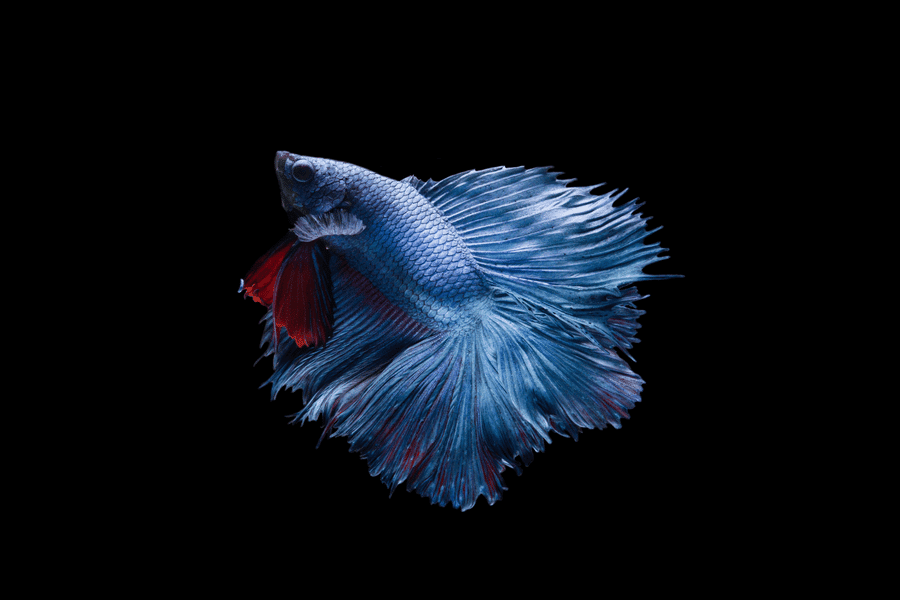
Wild Betta fish are valued in the aquarium hobby for their natural coloration, adaptability, and behavior that reflects their origins in Southeast Asian waterways. Unlike selectively bred Siamese fighting fish, wild species retain traits shaped by survival in rice paddies, slow streams, and marshlands. Keeping them in captivity requires careful attention to habitat design, water stability, and feeding habits to reflect these conditions. Learn more at tropicflow.com/collections/wild-betta-fish-collection.
Natural Behavior and Habitat
Wild Betta species inhabit shallow, warm waters with dense vegetation and minimal current. These environments are typically low in oxygen, which is why Bettas developed a labyrinth organ allowing them to breathe atmospheric air.
Behavior varies among species, but many wild Bettas are less aggressive than domesticated strains. Some can coexist in loosely structured groups, especially when the aquarium provides visual barriers and sufficient space. However, territorial instincts remain present, particularly during feeding or breeding periods. Understanding these behavioral patterns is essential for maintaining balance in a captive environment.
Aquarium Size and Design
A properly designed aquarium is the foundation of successful Wild Betta care. A minimum tank size of 10 gallons is recommended for a single fish, while larger setups are preferred for multiple individuals or community-style arrangements.
Shallow, wide tanks are more suitable than tall ones, as they better replicate the horizontal spread of natural habitats. A secure lid is necessary because Wild Bettas are capable of jumping, especially when startled or during feeding responses. Smooth tank edges and a calm environment also help reduce stress-related behaviors.
Water Quality and Stability
Stable water conditions are critical for long-term health. Wild Bettas thrive in slightly acidic to neutral water with a pH range of 6.0 to 7.5. Temperature should be consistently maintained between 24–28°C (75–82°F), as fluctuations can cause stress or suppress immune function.
Regular water testing is important to monitor ammonia, nitrite, nitrate, and pH levels. Partial water changes of around 20–30% weekly help maintain water clarity and chemical stability. Sudden changes in water parameters should be avoided, as wild species are often more sensitive than their captive-bred counterparts.
Filtration and Water Movement
Although Wild Bettas can surface-breathe using their labyrinth organ, filtration is still necessary to remove waste and maintain water quality. The ideal system provides gentle circulation without creating strong currents.
Sponge filters are commonly used because they offer biological filtration while maintaining low water flow. High-output filters should be adjusted or baffled to prevent stress caused by excessive movement. A calm water surface also supports natural behaviors such as bubble nest building.
Aquascaping and Environmental Enrichment
A well-planted aquarium plays a key role in reducing stress and encouraging natural behavior. Live plants such as Java fern, Anubias, and Cryptocoryne species provide cover and help stabilize water conditions. Floating plants like Water lettuce or Indian fern are especially useful, as they diffuse light and create shaded areas similar to natural habitats.
Hardscape materials such as driftwood and smooth stones add structure and create territories within the tank. These elements reduce direct line-of-sight between fish, helping to minimize aggression in multi-species or community setups. Leaf litter can also be added to simulate forest-floor waterways and release beneficial tannins.
Feeding and Nutrition
In the wild, Betta species primarily consume small insects, larvae, and zooplankton. In captivity, their diet should be high in protein to match these natural feeding habits.
A balanced feeding regimen includes high-quality Betta pellets supplemented with live or frozen foods such as brine shrimp, bloodworms, and daphnia. Feeding small amounts two to three times daily is generally recommended, with care taken to avoid overfeeding. Excess food can quickly degrade water quality and lead to health issues.
Occasional fasting days may also be beneficial, allowing the digestive system to reset and helping maintain clean water conditions.
Social Behavior and Compatibility
Social tolerance varies widely among Wild Betta species. Some, such as Betta imbellis, may coexist in groups under the right conditions, while others remain highly territorial and require isolation or carefully managed pairings.
Successful community setups depend heavily on tank size, plant density, and the availability of hiding spaces. Visual barriers help reduce confrontation by breaking lines of sight. Even in compatible groups, monitoring is essential, particularly during feeding or breeding periods when aggression can increase.

Health Monitoring and Disease Prevention
Early detection of health issues is important for preventing serious illness. Signs of stress or disease include clamped fins, lethargy, loss of appetite, rapid breathing, and abnormal swimming patterns.
New fish should always undergo quarantine before introduction to an established tank. This reduces the risk of introducing parasites or bacterial infections. Maintaining stable water conditions remains the most effective preventive measure, as stress is a major contributor to disease susceptibility in Wild Bettas.
Breeding Requirements
Breeding Wild Bettas requires controlled conditions and close observation. A separate breeding tank with minimal water flow and stable, warm temperatures is typically used.
Males construct bubble nests at the water surface, where eggs are later deposited by the female. After spawning, the female is usually removed to prevent aggression or injury. The male then guards the nest and tends to the eggs until they hatch.
Fry require gentle care and appropriate microfoods once free-swimming. Consistent water quality and minimal disturbance are essential during this stage.
Acclimation to a New Aquarium
Proper acclimation reduces stress when introducing Wild Bettas to a new environment. The drip acclimation method is commonly used, allowing gradual adjustment to temperature and water chemistry differences.
This process typically takes one to several hours, depending on conditions. Sudden transfer into a new tank is avoided, as rapid changes can cause shock and long-term health complications.
Conclusion
Wild Betta fish require a carefully balanced environment that reflects their natural ecosystems. Success in captivity depends on stable water conditions, appropriate tank design, structured aquascaping, and a protein-rich diet. When these needs are met, Wild Bettas can display natural behaviors and thrive in home aquariums, offering insight into the ecological diversity of Southeast Asian freshwater habitats.
