


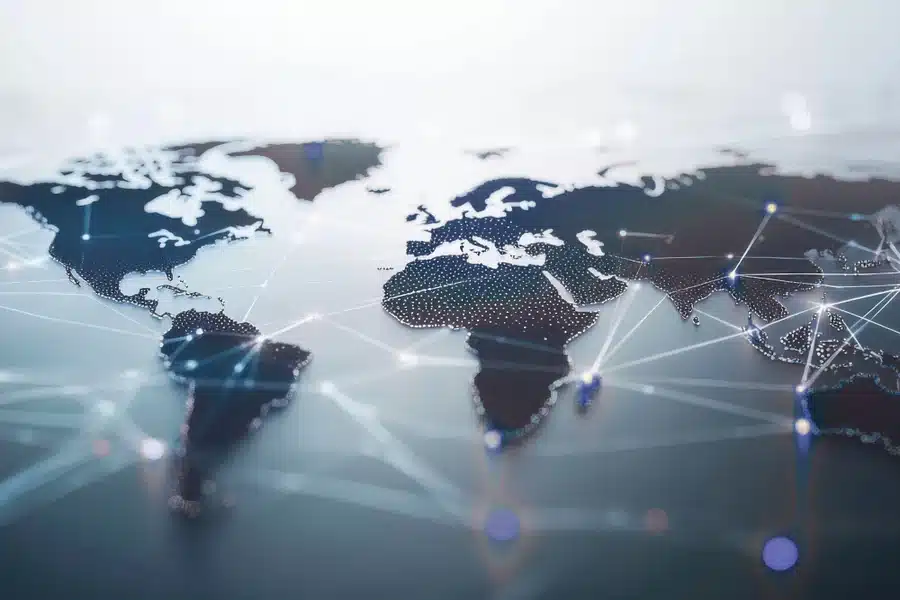
The global economy changes fast and recent headlines continue to shape how people spend save invest and run companies. From inflation and trade policy to energy prices and technology growth every major event creates ripple effects across markets. People now follow business news more closely because global events no longer stay limited to one country. A political decision in one region can affect fuel prices food supply shipping costs and employment opportunities across the world within days.
Businessman workers students and investors should know about the economic aspect of global news. Even when they go unnoticed immediatly, economic changes affect daily life. Things like grocery bills housing costs salaries travel expenses online shopping prices they tend to mirror the global economy. Confidence is the response to news events and confidence influences spending. Uncertainty leads consumers to spend less. Businesses scaling back hiring and expansion plans when they are scared of slower growth.
Inflation Remains a Global Concern
Inflation is perhaps one of the hottest economic topics over the years. Surging prices have hit households across much of the world. Increased food energy transportation, housing costs followed supply chain disruptions after geopolitical conflict place severe strains on global trade.
Central banks raised interest rates to tame inflation. Borrowing also becomes more expensive — affecting mortgages and credit-card spending too — as cash-market interest rates are pushed higher. But although these measures can tame inflation in the long run, they also dampen economic growth.
Higher borrowing costs present a challenge for many businesses. Fines become expensive, and companies postpone the expansion plans. Perhaps the most affected group is small businesses that rely more heavily on loans for their operations and expansion.
Spending habits of consumers also changes during inflationary period. Families began to concentrate on purchases of necessities and fewer finds upon the panache goods reminiscent of entertainment and travel. It has a global impact on retail stores, tourism industry and service providers.
Energy Prices Continue to Influence Markets
Energy is still one of the largest influencers in global economic conditions. The production of Oil and gas affect the prices of transportation manufacturing agriculture and electricity. Higher energy prices are normally passed through by businesses to consumers as extra costs.
Due to recent global conflicts and notable hedge by major oil-producing countries created uncertainty in the energy markets. Higher fuel prices put pressure on currencies and trade balances in many countries that depend on imported energy.
It shows that the higher fuel prices lead to increased shipping costs which hit the store prices. Consumer goods and services ranging from clothing to electronics becomes more expensive as transportation costs increase across supply chains.
With the quest for renewable energy there are opportunities at the same time. More investments are being made in solar power electric cars and renewable energy infrastructure by governments and corporations. Not only it creates jobs and investment opportunities, but also cut back long-term reliance on conventional fuels.
Technology Growth Is Reshaping Economies
Technology continues to influence global economic trends in major ways. Artificial intelligence automation and digital services are changing industries faster than expected. Businesses now use AI tools for customer service marketing manufacturing and data analysis.
The growth of digital platforms created new jobs in software development cybersecurity content creation and online commerce. Remote work also expanded after the pandemic which changed office demand transportation patterns and urban economies.
However rapid technological growth also creates concerns. Automation may replace some traditional jobs especially in repetitive industries. Workers now need stronger digital skills to stay competitive in changing job markets.
Countries investing heavily in technology infrastructure often experience faster economic growth. Governments around the world are competing to attract technology companies and innovation centers because they create employment and boost exports.
Global Trade Faces New Challenges
International trade is still necessary for economic well-being, but the pandemic has revealed weaknesses in global supply chains which will be addressed in A2. In many industries, shipping delays factory shutdowns and political tensions disrupted product availability.
The COVID-19 pandemic taught businesses the dangers of relying too heavily on a single region for production or materials. Hence a good number of companies have now diversified supplier and production location to avoid future pandemics as well as stop the risk of products shortage in their businesses.
Trade conflicts between big economies also have an impact on global markets. Tariffs and trade restrictions raise prices for both businesses and consumers. Import-reliant firms tend to see profit margins squeezed during trade wars.
Changing Trade Patterns: Developing Countries and Trade Changes in the Circumstances of Globalisation Different rules in other parts of the world entice new factories and investment, pull exports away from others.
Financial Markets React Quickly to News
Stock markets respond almost instantly to global developments. Investors closely monitor inflation data interest rate decisions political tensions and corporate earnings reports.
Positive news often increases investor confidence and pushes markets higher. Negative headlines can trigger market declines within hours. This volatility affects retirement funds investment portfolios and corporate financing.
Technology stocks energy companies and banking sectors often react differently depending on economic conditions. For example rising interest rates may hurt technology companies but benefit banks because lending becomes more profitable.
Cryptocurrency markets also gained attention in recent years. Digital currencies remain highly volatile and often react strongly to regulatory announcements and investor sentiment. While some investors see opportunity others remain cautious due to uncertainty and price swings.
Labor Markets Are Changing
Employment trends continue to evolve because of economic shifts and technological changes. Some industries face labor shortages while others reduce hiring due to slower growth.
Healthcare technology logistics and renewable energy sectors continue creating jobs in many countries. Meanwhile industries affected by automation or reduced consumer spending may experience layoffs.
Wage growth became another major topic during recent economic discussions. Workers demand higher salaries to keep up with inflation but businesses must balance labor costs with profitability.
Remote and hybrid work models also changed hiring practices. Companies now recruit talent from different regions which increases competition in job markets. Employees gain flexibility but businesses must adapt management and communication strategies.
Tourism and Travel Industries Recover Slowly
Global tourism suffered heavily during pandemic restrictions but recovery continues gradually. Many countries now depend on tourism growth to support economic recovery.
Airlines hotels restaurants and local businesses benefit when international travel increases. Popular tourist destinations experience stronger employment and consumer spending during recovery periods.
However economic uncertainty and inflation still affect travel decisions. Families may reduce vacation spending during periods of financial pressure. Currency fluctuations also influence travel demand because exchange rates impact affordability.
Business travel patterns changed as companies use more virtual meetings. This shift affects airlines conference centers and urban hospitality industries.
Food Security and Agriculture Face Pressure
Agricultural markets remain sensitive to climate conditions energy prices and geopolitical events. Droughts floods and extreme weather affect crop production and food supply worldwide.
Fertilizer costs transportation expenses and labor shortages increase pressure on farmers. These costs often lead to higher grocery prices for consumers.
Food security became a major concern for many governments. Countries now invest more in local agriculture and supply chain stability to reduce dependence on imports.
Consumers increasingly pay attention to food sustainability and production methods. This trend supports growth in organic farming local markets and alternative food industries.
Consumer Confidence Drives Economic Activity
Consumer confidence plays a major role in economic growth. When people feel financially secure they spend more on homes cars entertainment and travel. Increased spending supports businesses and job creation.
On the other hand economic uncertainty often causes consumers to save money instead of spending it. Reduced demand can slow business activity and economic expansion.
Media coverage and public sentiment strongly influence consumer behavior. Continuous reports about inflation layoffs or market instability can reduce confidence even before conditions worsen significantly.
Governments and central banks try to maintain stability through economic policies and public communication. Clear policy direction helps businesses and consumers plan for the future.
Emerging Markets Show Mixed Results
Emerging economies have continued to recover, but with risks on both sides of the balance sheet. Certain countries do have windfall exports of natural resources and growing populations. Some face debt inflation and currency weaknesses.
Foreign investment is a huge part of emerging-market growth. Although investors demand higher returns in developing economies, political instability and economic uncertainty discourage investments.
Most emerging markets have fast-growing digital banking mobile payments and online commerce. These industries provide new economic opportunities and benefits for millions of people by improving financial access.
Simultaneously, global economic slowdowns can impact export demand and hurt economies heavily reliant on trade.
The Future of the Global Economy
As governments businessmen and consumers adapt themselves to new challenges, the global economy will keep changing. Economic trends in the coming years will continue to be shaped by technology climate policies demographic shifts and geopolitical events.
The faster any business adapts to a changing market, the better it tends to do in times of uncertainty. By devise tightestness, firms can see thickets fresh spaces of commercial opportunity through economic disruptions.
Consumers are also getting smarter with their money. As the global events are more immediately related to personal finances now, people pay closer attention to inflation savings investment opportunities and employment trends.
While economic uncertainty will likely continue to be part of the global landscape, new industries and technologies are also providing avenues for growth. Decoding how news events affect economy enables a smarter decision making to the individual and business in such ever-changing surrounding.
Read Also: 5 Franchise Business Ideas Built Around Consumer Experiences
