


Table of Contents
- Introduction
- What Are Heat Pumps?
- Energy Efficiency Benefits
- Environmental Impact
- Cost Considerations
- Suitability for Different Climates
- Integration with Renewable Energy
- Increasing Home Value
- Conclusion
Heat pumps are changing the way homeowners think about comfort and sustainability, quickly becoming a top choice for those aiming to cut both energy bills and carbon emissions. With the growing demand for energy-efficient heating and cooling in Toronto, more homeowners across North America are considering this modern technology to lower their monthly costs while reducing their environmental impact. Whether you are building a new home or upgrading your existing system, heat pumps offer remarkable advantages for efficient, year-round temperature control. energy-efficient heating and cooling in Toronto
Unlike conventional heating and cooling methods that rely heavily on burning fuel or direct electrical heating, heat pumps transfer heat from one place to another. This process enables impressive energy savings, helping individuals and families future-proof their households amid rising energy costs and climate concerns. Homeowners who have adopted heat pumps are seeing tangible benefits through lower utility bills, increased home value, and a smaller carbon footprint.
The benefits of heat pumps go beyond simple energy savings. They represent a crucial step toward more resilient and sustainable residential infrastructure, with governments and utilities now offering significant incentives to facilitate adoption. New technological advances also allow modern heat pump systems to perform exceptionally in both very hot summers and freezing winters, broadening their appeal substantially.
In addition to cost savings and environmental advantages, integrating heat pumps with renewable energy like solar panels lets families maximize the return on both investments. This ongoing shift is not just about adapting to new equipment. It is about embracing a cleaner, smarter approach to home comfort and sustainability, which could redefine energy use for decades to come.
What Are Heat Pumps?
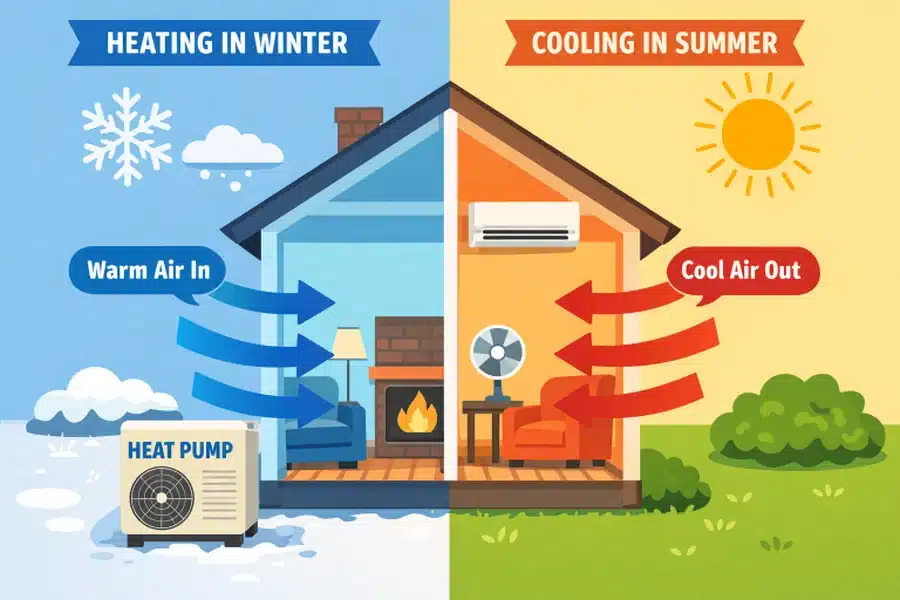
Heat pumps are advanced devices that heat and cool your home by transferring thermal energy rather than generating it from scratch. During colder months, they draw warmth from the outdoor air, ground, or water and transfer it inside. When it is hot, they reverse direction, sending excess indoor heat outdoors to keep your home cool. This versatility allows heat pumps to serve as both your heating and cooling solution.
There are several types of heat pumps, including air-source, ground-source (often called geothermal), and water-source models. Air-source heat pumps are the most widely used for residential applications due to their efficiency and ease of installation. All types operate on the same fundamental principle: move heat rather than produce it, which drastically reduces energy usage compared to furnaces or electric resistance heaters.
Energy Efficiency Benefits
Energy efficiency is the driving factor behind the widespread adoption of heat pumps. According to the U.S. Department of Energy, heat pumps can provide the same amount of heating or cooling for as little as one-quarter of the energy used by conventional systems. This results in an immediate and ongoing reduction in energy bills.
A recent NREL analysis found that switching to heat pumps can lower home energy consumption by 31% to 47%, depending on climate and system efficiency. These numbers make heat pumps an appealing investment, both for immediate financial savings and for longer-term energy security amid changing utility prices.
Environmental Impact
Reducing carbon emissions is a key benefit of adopting heat pumps. By relying mainly on electricity to move heat rather than generating it from fossil fuels, heat pumps offer a pathway to cleaner home energy use. The same NREL report projected a 36% to 64% reduction in greenhouse gas emissions in the residential sector as more homes switch to heat pumps, especially when powered by cleaner grid electricity sources.
This positive environmental impact is supported by policymakers and environmental organizations worldwide. Replacing oil, gas, or propane heating systems with efficient heat pump technology plays a vital role in national and local climate strategies, helping to meet emissions targets and improve indoor air quality.
Cost Considerations
Although installing a heat pump system costs more upfront than traditional furnaces or air conditioners, homeowners can access a range of financial incentives and rebates. For example, the Inflation Reduction Act of 2022 provides considerable tax credits and direct rebates for heat pump purchases and installations. Several provinces, states, and local utilities also offer additional support.
The long-term payoff is substantial. Lower monthly utility bills quickly offset initial investment, and, as referenced in this CNBC energy efficiency feature, continued increases in fossil fuel prices further increase savings over time. These cost dynamics mean that, for many homeowners, a heat pump is not just the environmentally responsible choice, but also the smart financial one.
Suitability for Different Climates
Today’s heat pumps are engineered for varying climate conditions, including regions with prolonged or harsh winters. Innovations in compressor and refrigerant technologies have produced models that can extract heat outdoors even at temperatures well below freezing, ensuring reliable comfort regardless of location. Some heat pumps can operate efficiently in temperatures as low as -15 degrees Fahrenheit.
For milder climates, heat pumps provide year-round efficiency without the seasonal drawbacks of outdated heating systems. Homeowners should consult qualified professionals to determine the right model and correctly size the system based on local weather patterns and house characteristics for maximum benefit.
Integration with Renewable Energy
Heat pumps are especially effective when combined with renewable energy sources such as rooftop solar panels. By powering the heat pump with on-site, clean, renewable electricity, homeowners can minimize their daily reliance on the electrical grid, further shrink their carbon footprint, and boost energy independence. This model of integrated, smart home energy management is becoming increasingly popular among environmentally conscious homeowners and is incentivized by many local governments and utilities.
Increasing Home Value
Energy efficiency is a major selling point in today’s real estate market. Multiple studies, including one from the U.S. Department of Energy, indicate that homes with air-source heat pumps consistently sell for a premium, often 4% to 7% more than comparable properties without them. For higher-value houses, this can add $10,000 to $17,000 to the resale value.
Installing a modern heat pump can enhance a home’s comfort, appeal, and long-term marketability. As eco-consciousness and price awareness of utility costs rise among homebuyers, upgrades that increase efficiency and sustainability are likely to command even higher premiums in the near future.
Conclusion
Heat pumps represent a transformative leap for residential energy efficiency, sustainability, and long-term financial value. By slashing energy use, reducing emissions, and integrating seamlessly with renewables, they are paving the way for a future in which comfortable, sustainable living is accessible to more households.
Incentives and policy support are making heat pump adoption easier than ever. As technology continues to improve and energy awareness becomes central to home buying and living, more families will likely turn to heat pumps as the foundation of efficient, climate-friendly comfort.
