


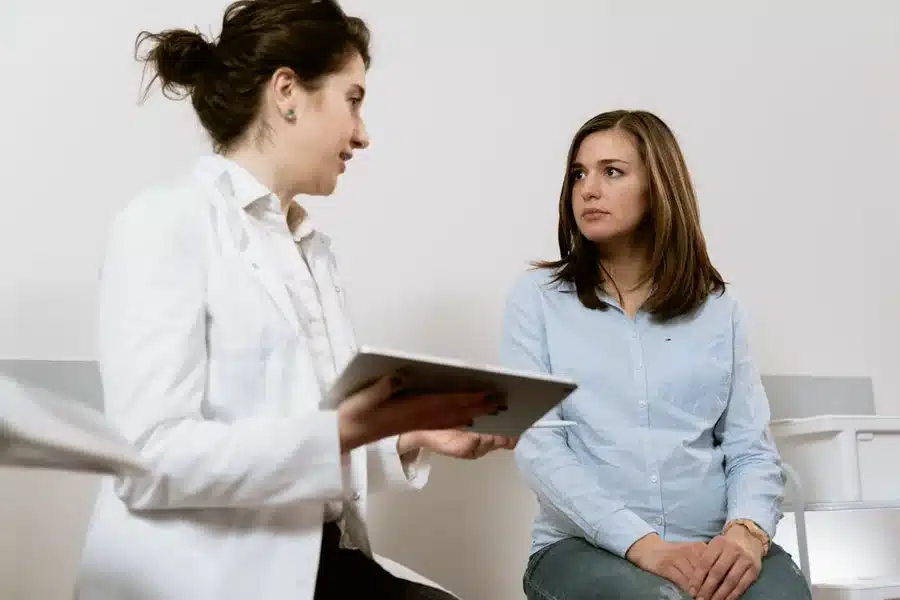
Women’s health needs change over time. What matters in your teens is not the same as what matters in your 40s or 60s. Health screenings help spot issues early, often before you feel unwell. Early checks can lead to early care, better results, and peace of mind.
This guide walks through the key health tests women should think about at each life stage. Explaining why each test matters and how often it is usually advised. Always speak with a doctor or nurse about what is right for you, as needs can differ from person to person.
Why Health Screenings Matter
Many health problems do not cause clear signs at first. High blood pressure, some cancers, and bone loss can grow in the body without pain. Screenings look for these issues early, and treatment is often simpler and more effective.
Screenings are important even for people who feel healthy. They are also for anyone who wants to stay well and active for as long as possible. Despite this, many women delay or miss routine checks, even though UK screening uptake statistics show that regular screening plays a major role in early detection and better outcomes.
Teens and Early 20s
This stage is about learning your body and setting good habits.
General health checks
A basic check-up helps track height, weight, and blood pressure. It also gives you a chance to talk about sleep, diet, and stress.
Sexual health tests
If you are sexually active, tests for infections such as chlamydia may be advised. These infections can cause harm if left untreated, even when there are no signs.
HPV vaccine and advice
Some types of cervical cancer can be protected against with the help of the HPV vaccine. Many receive it at school age, but advice may still be helpful in their late teens.
Mental health support
This is a key time for mental health. Screenings or chats about mood, worry, and stress can help you get support early if needed.

20s and 30s
In your 20s and 30s, life can be busy. Work, family plans, and social life can take centre stage. Health checks are still vital.
Cervical screening (smear test)
In the UK, cervical screening usually starts at age 25. It looks for changes in the cervix that could lead to cancer if not treated. It is quick and can save lives.
Breast awareness
Formal breast screening comes later, but knowing what is normal for your breasts is important now. If you notice a lump, skin change, or pain that does not go away, speak to a doctor.
Blood pressure and heart health
Heart disease is often seen as a later-life issue, but risks can start earlier. Regular checks, supported by heart health advice from the NHS, help women understand and reduce their long-term risk.
Fertility and hormone checks (when needed)
If you have concerns about periods, pain, or plans to have children, simple tests can help guide next steps.
Some women choose a Private Health Screening at this stage to get a wider set of tests in one visit, especially if they want faster access or more choice in what is checked. This can be helpful as a one-off support alongside NHS care.
40s
The 40s often bring body changes. Hormone levels may shift, and some risks rise.
Cervical screening continues
Keep up with your smear tests as advised. They remain key in this decade.
Breast screening awareness
In the UK, routine breast screening usually starts at 50, but some women are invited earlier. If you have a family history of breast cancer, you may need checks sooner.
Blood tests
Tests for cholesterol and blood sugar can spot early signs of heart disease and diabetes.
Bone health checks (if at risk)
Bone loss can start before menopause. If you have risk factors like early menopause or a family history of weak bones, a scan may be advised.
Menopause support
Symptoms such as hot flushes, sleep trouble, and mood changes can start in the 40s. Talking about these early can help you manage them better.
50s
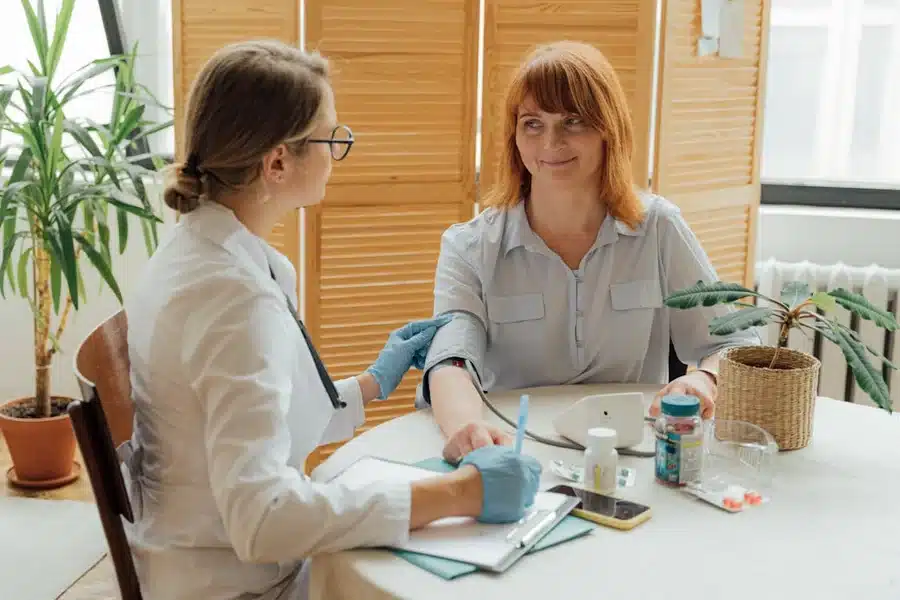
This stage brings more regular screening offers, and routine screenings become vital.
Breast screening
Women between the ages of 50 and 70 are often invited for breast screening every three years. It uses X-rays to spot early signs of cancer.
Bowel cancer screening
Bowel screening is offered from the age of 50 in many parts of the UK. It searches for blood in the stool, which may indicate cancer in its early stages.
Cervical screening (less often)
From the age of 50, smear tests are usually done every five years if results are normal.
Heart and stroke checks
Blood pressure, cholesterol, and weight checks help lower the risk of heart attack and stroke.
Eye and hearing tests
Vision and hearing can change with age. Regular checks help keep you safe and active.
60s and Beyond
Later life is about keeping strength, balance, and quality of life.
Bone density scans
These scans detect bone loss and help prevent fractures.
Diabetes checks
Risk rises with age, so regular blood sugar tests are essential.
Vaccines and infection checks
Flu, pneumonia, and shingles vaccines help protect against serious illness.
Memory and mood checks
Changes in memory or mood should not be ignored. Early checks can rule out treatable causes.
Mobility and balance reviews
Falls can have a big impact later in life. Simple checks can reduce risk.
Family History and Personal Risk
Age is not the only factor. Family history matters too. If close family members have had breast cancer, ovarian cancer, heart disease, or diabetes, you may need earlier or extra tests.
Lifestyle also plays a role. Smoking, low activity, poor diet, and high stress can raise risk at any age. Screenings work best when paired with healthy habits.
How Often Should You be Screened?
There is no single rule for everyone. Some tests are offered on a set schedule through the NHS. Others depend on your health, family history, and personal choice.
A good approach is to have your health reviewed by a trusted health professional every year or two. Ask what checks you need now and what to plan for next.
Choosing Where to Get Screened
Many women use NHS screening services, which are free and well tested. Others choose private clinics for speed, like Vista Health, for choice, or added comfort. A private clinic can be a useful extra, but it should support, not replace, regular NHS care.
The key is not where you are screened, but that you are screened at the right time and that you follow up on the results.
Final thoughts
Women’s health screenings are not about fear. They are about care, knowledge, and choice. Regular checks help you understand your body, spot changes early, and take action before minor issues become bigger problems. At every stage of life, the right tests can help you stay well, active, and confident in your health.
It’s never too early or too late to start. Begin with the screenings that are recommended for your age and situation, and make them part of your routine health care. Keep track of results, follow up on any concerns, and don’t hesitate to ask questions.
Remember, looking after your health today is an investment in your future. Whether it’s a simple blood test or a cervical smear, it helps you live with greater peace of mind and resilience. Your future self will thank you for the time and attention you give to your well-being now.
