


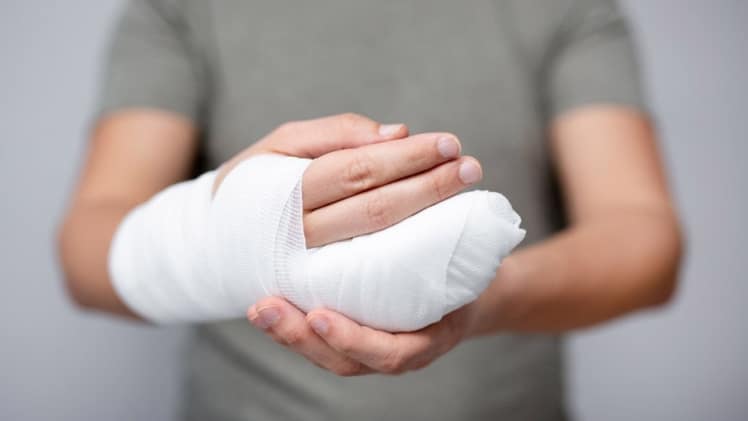
Injuries happen when we least expect them, disrupting our lives and plans. Whether a minor bruise or a major fracture, the impact can be significant. Understanding the basics of injuries helps in managing them effectively. Our bodies are designed to heal. However, knowing the right steps to take is crucial. Injuries come in different forms: sprains, cuts, or even broken bones. Each requires a different approach for proper recovery. Hildebrand & Wilson, LLP offers expert guidance on legal rights after an injury. This blog focuses on recognizing common injuries and the best methods for care and prevention. By learning about the body’s response to harm, we can better support our healing process. The aim is to make you feel informed and prepared. This understanding not only aids in current recovery but also helps in preventing future injuries. Stay informed, and let your body heal naturally and completely.
Common Types of Injuries
Injuries are broadly categorized into three types. These include:
- Sprains and Strains: Often affecting muscles and ligaments, these injuries result from overstretching. They are common in sports and daily activities.
- Cuts and Abrasions: Usually from falls or sharp objects, these injuries affect the skin. Immediate cleaning and dressing are essential.
- Fractures: These involve the breaking of bones, often requiring medical intervention and extended recovery periods.
Recognizing these types allows for timely and appropriate action, which can prevent complications.
Immediate Steps After an Injury
Taking the right steps immediately after an injury can make a significant difference in recovery:
- Stop and Rest: Avoid continuing the activity causing the injury. Resting prevents further damage.
- Apply Ice: Use a bag of ice or a cold pack to reduce swelling and numb the pain.
- Elevate the Injury: Keep the injured area elevated, preferably above heart level, to reduce swelling.
These steps form part of the RICE method (Rest, Ice, Compression, Elevation). For more on emergency care, visit the CDC’s Emergency Preparedness page.
Prevention of Injuries
Injury prevention involves simple yet effective strategies:
- Stay Active: Regular exercise strengthens muscles and improves balance.
- Use Protective Gear: Helmets, knee pads, and other gear reduce the risk of sports injuries.
- Maintain a Safe Environment: Keep living spaces clear of clutter to prevent falls.
By adopting these habits, we can reduce the likelihood of injuries in day-to-day life.
Recovery and Rehabilitation
Recovery depends on the type and severity of the injury. Here is a simple comparison of recovery times for common injuries:
| Injury Type | Typical Recovery Time |
| Sprain | 1-3 weeks |
| Cut | Few days to 2 weeks |
| Fracture | 6-12 weeks |
Engaging in physical therapy and following medical advice can speed up recovery. For more information on rehabilitation, the MedlinePlus Rehabilitation page offers valuable resources.
Legal Considerations
Understanding legal rights after an injury is important. Hildebrand & Wilson, LLP provides insights into personal injury claims and compensation. Knowing your rights ensures fair treatment and support during recovery.
Conclusion
Injuries are an unavoidable part of life. However, by understanding the types, immediate care, and prevention strategies, we can manage them effectively. Remember, recovery takes time and patience. With proper care and support, your body has the remarkable ability to heal itself. Stay informed and prioritize your health and safety every day.
