


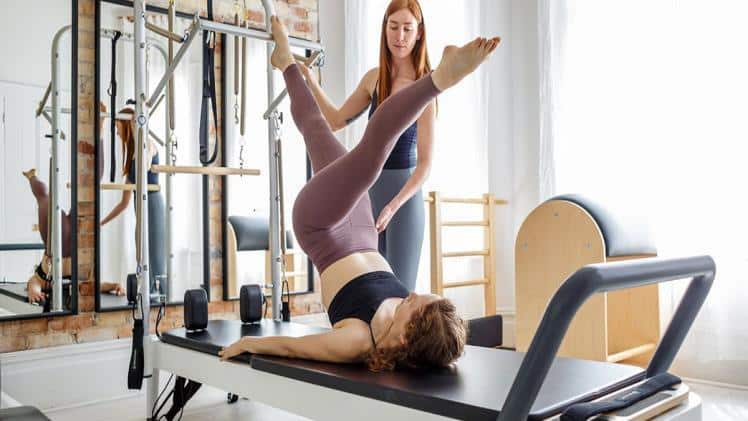
Pilates is a low-impact exercise method that improves strength, flexibility, and posture by building core strength. Developed by Joseph Pilates in the early 20th century, it combines controlled movements with precise breathing techniques to promote body awareness and balance.
While many know Pilates as a fitness routine, it also effectively complements physical therapy. Its focus on core stability, alignment, and controlled movement makes it a valuable tool in rehabilitation.
Whether you’re recovering from an injury, managing chronic pain, or improving mobility, Pilates can enhance your physical therapy in San Ramon CA experience.
How Pilates Enhances Physical Therapy Recovery
Pilates-based physical therapy offers a unique and effective approach to rehabilitation. It combines the benefits of traditional therapy with the principles of Pilates.
Here’s how Pilates improve physical therapy recovery:
Core Strength and Stability
Pilates focuses on strengthening the core, including the abdomen, back, and pelvis muscles. A strong core is essential for overall body stability and support, especially when recovering from injuries or managing chronic conditions. By improving core strength, Pilates-based therapy helps enhance posture, balance, and overall body control.
Low-Impact Movements for Safer Recovery
Pilates uses controlled, gentle, low-impact movements on the body, making it ideal for those recovering from surgery, injury, or chronic pain. This allows patients to build strength and improve flexibility without placing additional stress on their joints or muscles, reducing the risk of further injury.
Improved Flexibility and Range of Motion
Pilates emphasizes stretching and lengthening muscles, improving flexibility and restoring range of motion. For those in physical therapy, this is particularly important, as it aids in reducing joint and muscle stiffness and improving overall mobility, making daily movements more comfortable.
Posture and Alignment Correction
Pilates teaches proper alignment and posture, which can help relieve pressure on the spine, neck, and shoulders. Correcting posture alleviates pain and prevents future injuries by promoting better movement habits in daily life.
Mind-Body Connection
Pilates promotes mindfulness, requiring concentration and control in each movement. This mind-body connection improves body awareness and reduces stress. By understanding how your body moves, you can avoid re-injury and build long-term strength and stability.
Customizable for Individual Needs
One of the biggest advantages of Pilates-based physical therapy is its versatility. Pilates exercises can be modified to fit any fitness level or specific rehabilitation need. Whether you’re recovering from a knee injury, back surgery, or managing a chronic condition, Pilates exercises can be adapted to suit your needs and recovery goals.
For example, patients with joint issues or limited mobility can perform exercises with the help of Pilates equipment like the reformer, which provides added support and resistance. Alternatively, individuals who are more advanced in their rehabilitation can challenge themselves with more intense movements to build strength and endurance.
Is Pilates Therapy Right for Everyone in Physical Therapy?
Pilates-based physical therapy is a versatile and effective rehabilitation method, but like any treatment, it may not be suitable for everyone.
Who Can Benefit from Pilates Therapy?
Pilates therapy is beneficial for:
- Individuals recovering from injury or surgery
- Those managing chronic pain or conditions (arthritis, fibromyalgia, etc.)
- Athletes seeking improved performance and injury prevention
- Older adults looking to maintain mobility and independence
- Pregnant women and new mothers
When Might Pilates Not Be Appropriate?
While Pilates has many benefits, it may not be appropriate for everyone, particularly in the early stages of recovery or for certain medical conditions.
Here are a few instances where Pilates might not be suitable:
- Acute injuries, such as fractures, tears, and sprains
- Severe osteoporosis and osteopenia
- Recent surgery
- Chronic medical conditions, including heart disease, high blood pressure, and diabetes
- Spinal disorders such as herniated discs and spinal stenosis
- High-risk pregnancy
Some of these instances may only require adjustments to your Pilates technique or routine. Always consult a qualified healthcare professional or physical therapist to determine if Pilates-based physical therapy suits your needs and recovery.
Conclusion
Beyond being a popular workout, Pilates is a powerful tool for rehabilitation. With its focus on core strength, flexibility, posture, and the mind-body connection, Pilates aligns perfectly with the goals of physical therapy. For those looking to enhance their recovery from injury, surgery, or chronic pain, Pilates offers a safe and effective way to strengthen the body and improve overall health.
If you’re seeking physical therapy in San Ramon, CA, or want to explore the benefits of Pilates in San Ramon, CA, consider how this practice can complement your recovery journey. Whether you’re new to Pilates or looking to integrate it into your existing treatment plan, Pilates can provide the strength, flexibility, and body awareness you need to recover more effectively and prevent future injuries.
