


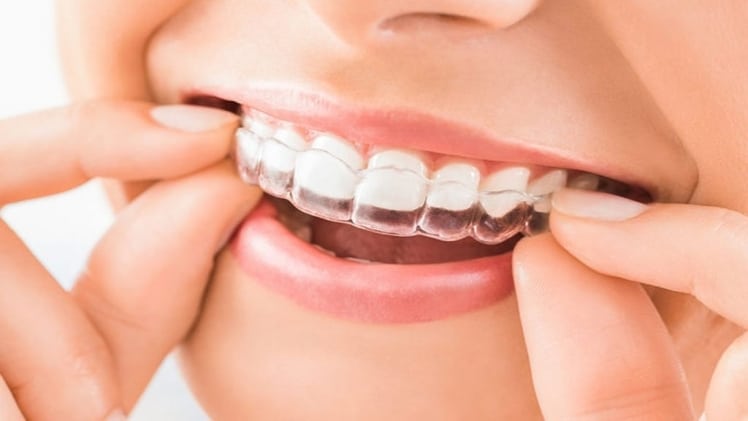
Teeth aligners provide both cosmetic and functional oral benefits and may be covered by a patient’s insurance policy. Most orthodontic clinics accept insurance and out-of-pocket payments and offer free consultations on treatment costs. Whether you need traditional metal braces or clear aligners, there are many payment options. Here are some ways to cover your Invisalign cost:
Insurance Plans
Your dental insurance plan may cover part of or the entire Invisalign cost. Insurance policies usually cover the cost of aligners used for orthodontic benefits, including correcting crooked teeth, overbites, and underbites. Clear braces may also be used to improve chewing, speaking, and facial structure. If you need aligners for orthodontic reasons, check whether your dental insurance has benefits for metal braces or clear aligners.
A flexible spending account (FSA) or health savings account (HSA) could also be used to cover teeth aligners and other dental expenses. These accounts allow you to add a pre-determined amount of pre-tax income into a designated account for medical costs. FSAs and HSAs are commonly used to cover expenses over and above insurance benefits, including Invisalign or traditional braces.
Orthodontist Plans
Many leading orthodontic clinics have in-house payment plans for different treatments, including teeth aligners. In-house financing or payment plans spread the cost of treatment over many months to make payment more manageable. Some plans may span years, resulting in small monthly installments automatically charged to your bank account. Since teeth alignment usually takes months, a clinic’s payment plans allow you to make partial payments throughout treatment.
Paying small installments helps you accommodate Invisalign treatment in your monthly budget. Consult your orthodontist to find out more about their plans and interest rates and compare them with lump sum payments. Leading orthodontists often create custom plans that suit patients’ budgets and treatments. Plans are available for review before treatment begins and may be adjusted to better suit your needs. Also, check for seasonal offers or discounts to reduce out-of-pocket costs.
Upfront Payments
If possible, it is often best to pay for your alingers upfront. Most orthodontists accept credit cards, bank transfers, eWallets, and other payment options. Upfront payments cover the cost of treatment before any work begins, and you can receive treatment without incurring monthly charges. This payment method also tends to fetch better discounts.
If you are covering your Invisalign cost with a credit card, select a card with the lowest interest rate. Credit card payments allow you to receive discounts commonly offered with upfront payments while simultaneously spreading repayment over several months. Patients may also choose to apply for a personal loan to make a lump sum payment for the treatment. Some banks have exclusive loans for medical and dental expenses, including aligners.
Referral Programs
Orthodontic clinics are often looking for new patients and offer referral programs to encourage positive reviews. Patients become ambassadors for the clinic by referring their friends, family, and social connections to the orthodontist. For each new patient a current patient refers, the more benefits they will gain.
Benefits may include discounted prices on services like orthodontic care. Find out if your orthodontist has a referral program and sign up. Refer others who are searching for orthodontic services to receive discounted rates for helping the clinic get more business. Referral programs can help you reduce out-of-pocket costs.
Calculate Your Invisalign Cost Today
Teeth alignment treatment is customized to your needs, so you will not find a standard one-size-fits-all plan. Orthodontic clinics can help you compare treatment options, costs, and payment plans to help you pick an option that’s best for you. Contact a reputable orthodontist today to calculate your Invisalign cost.
